Performance/relational Installations series.
2019-2022.
Learning a trade means acquiring its skills, gestures, and conventions, but also temporarily assuming a socially recognizable identity. Full Mime Jobs is a series of projects in which I engage with different professions, learning their practices and incorporating them into performative, relational, and installation-based situations. Each intervention begins with a process of research and training aimed at accurately reconstructing the tools, materials, and procedures of the chosen profession. I have studied cleaning techniques used in chemistry laboratories, the operational aspects of running an ice cream parlor, and the practices of butchery, from sausage making to tying roasts. The precision of this mimesis is essential for the audience to recognize a familiar activity before discovering its inconsistencies.
These professions are thus reinterpreted in unusual contexts, where ordinary elements take on paradoxical qualities. Through play and interaction, participants are invited to question what they consider authentic, functional, or plausible. The illusion is not intended to conceal the artistic nature of the intervention, but to temporarily suspend expectations, destabilizing the boundaries between service and performance, skill and representation. By moving between different professional identities, Full Mime Jobs questions the conventions and hierarchies that determine the social value of labor, including artistic labor. Mimetic practice thus becomes a means of reconsidering the distance between those who produce and those who observe, transforming everyday gestures into opportunities for participation and the formation of new relationships.


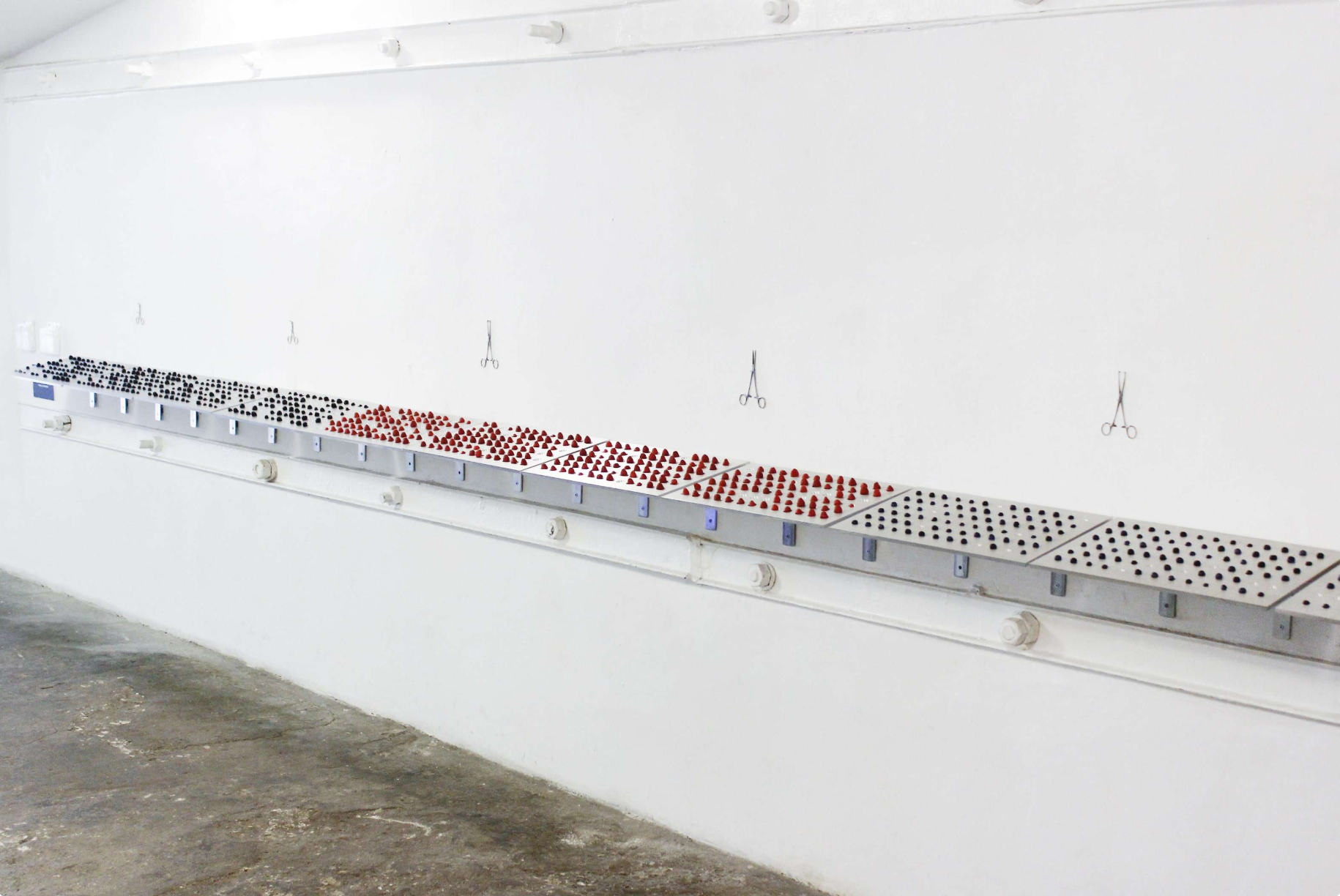
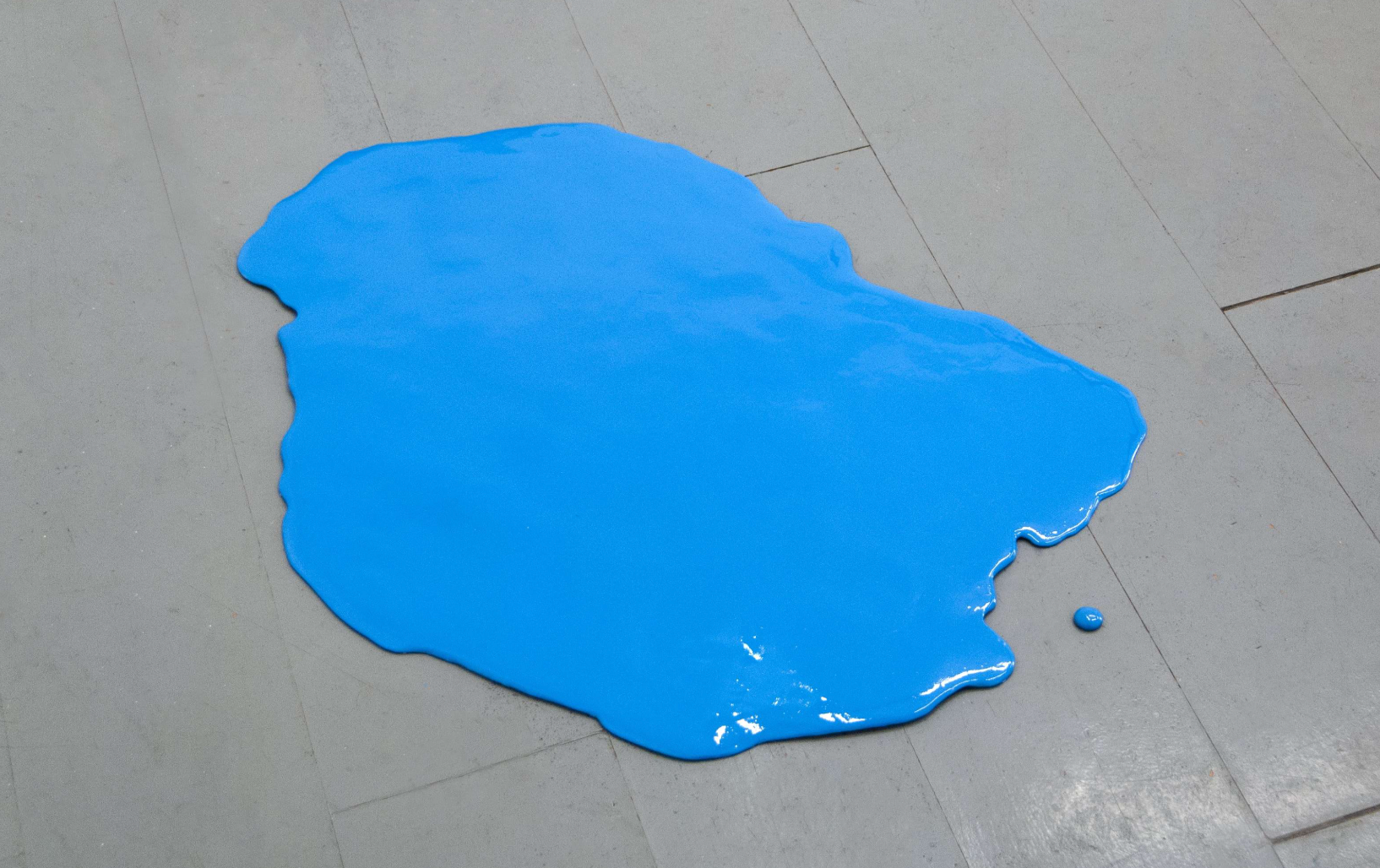
Chemist / Gurgone lab, 2019.
Chalk, acrylic glazing, powdered pigments, aluminum, steel, plastic.
1000x140x35 cm.
Installation view Pastificio Cerere, Rome.
Ph. courtesy RUFA University.
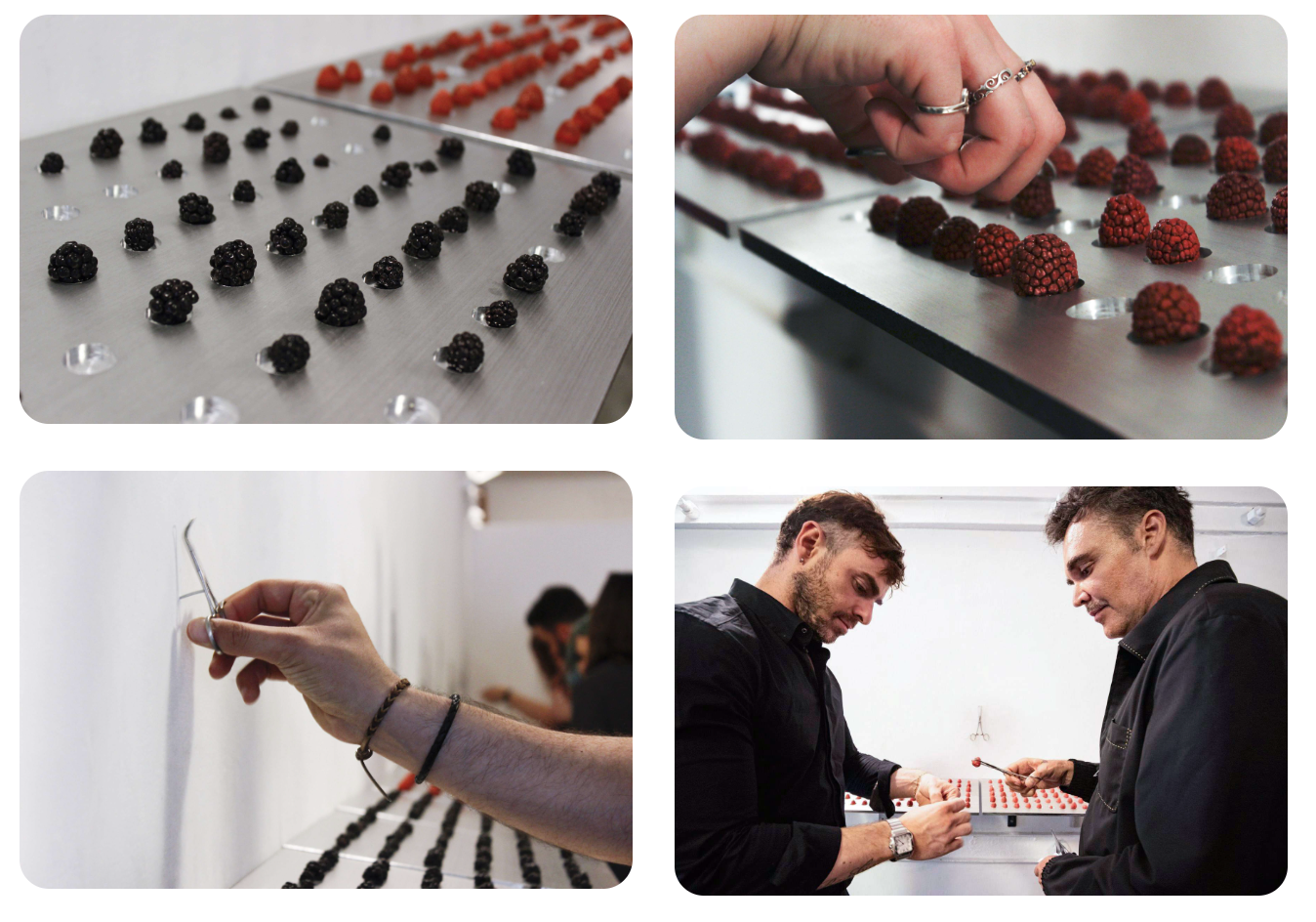
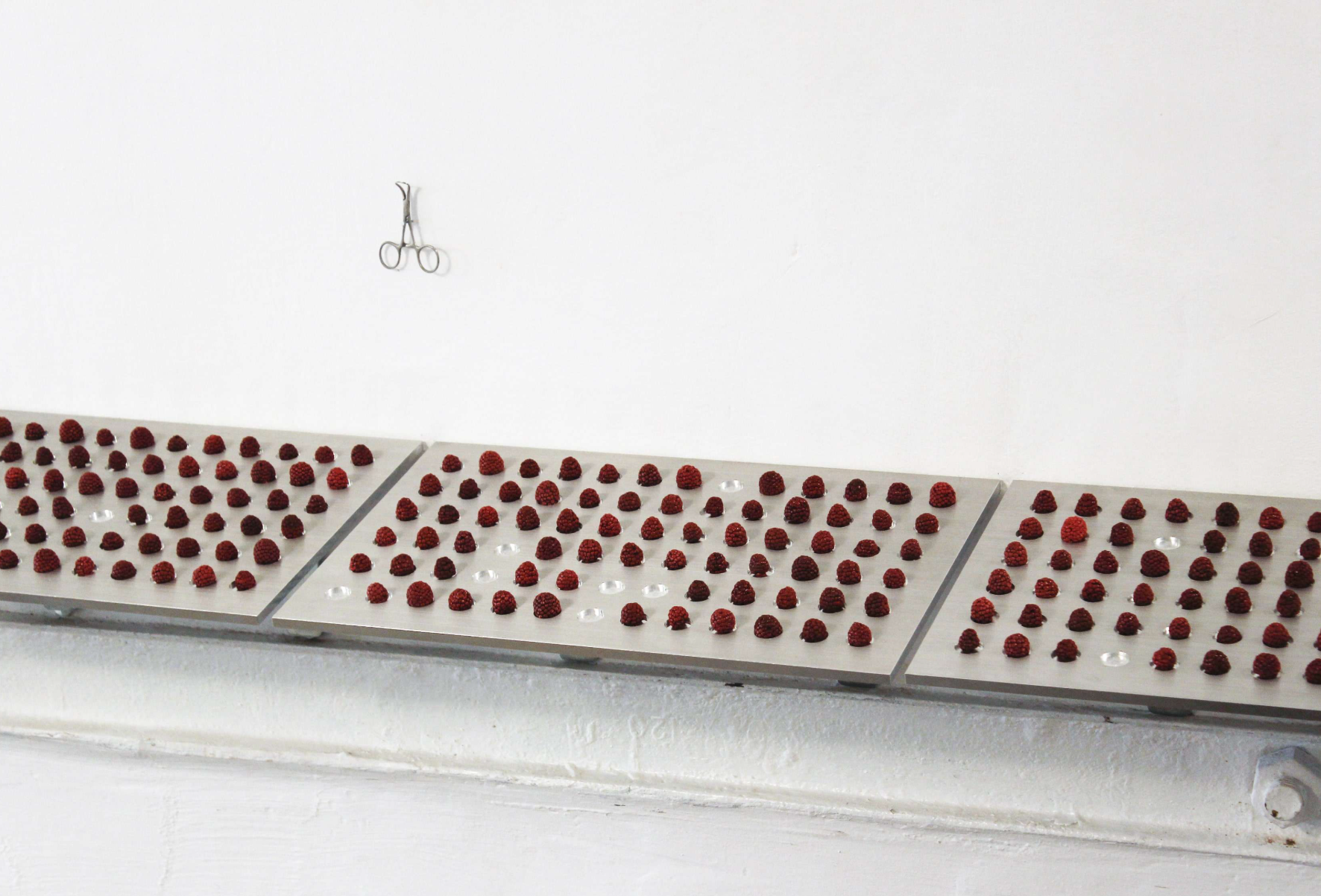
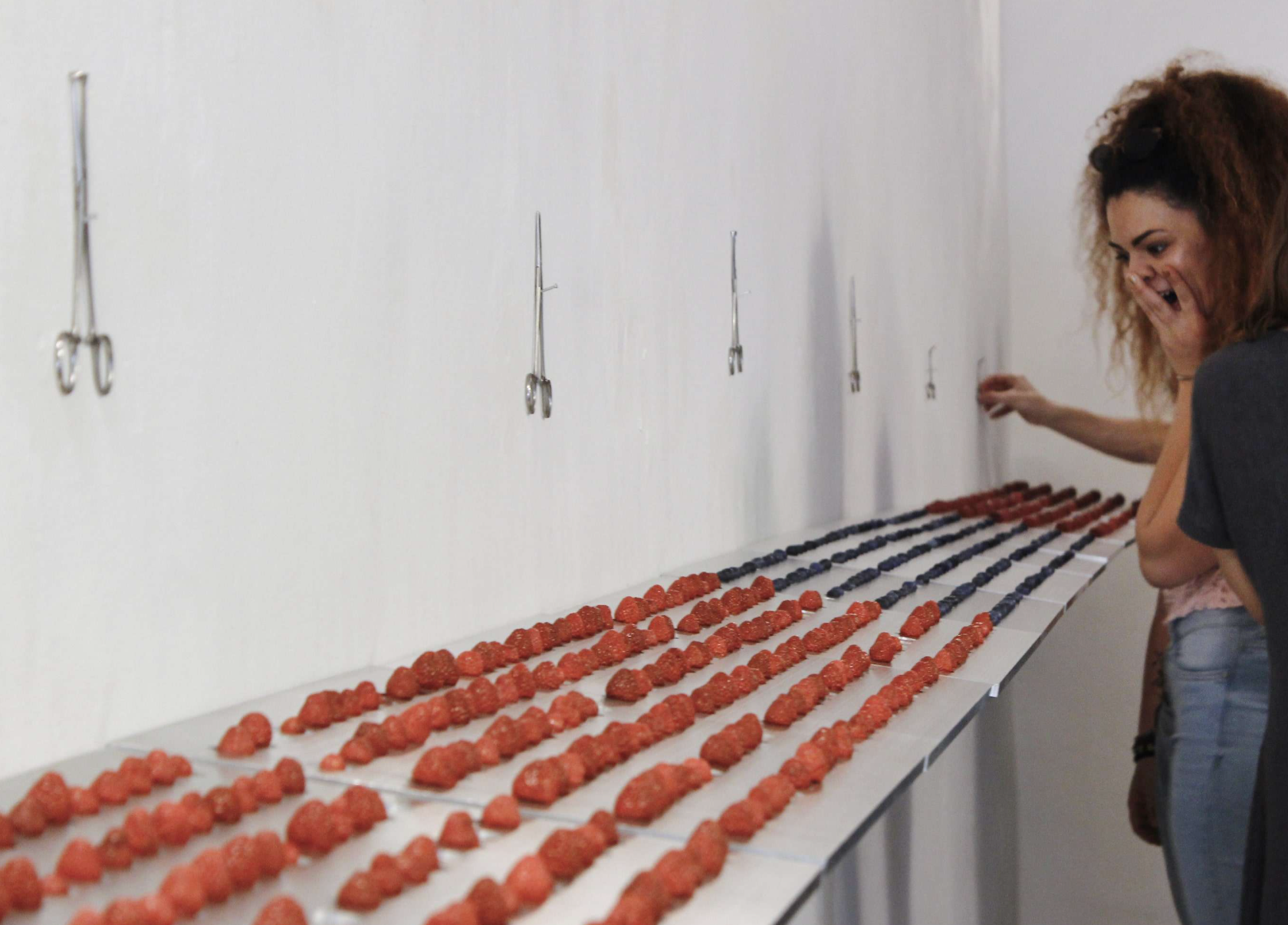
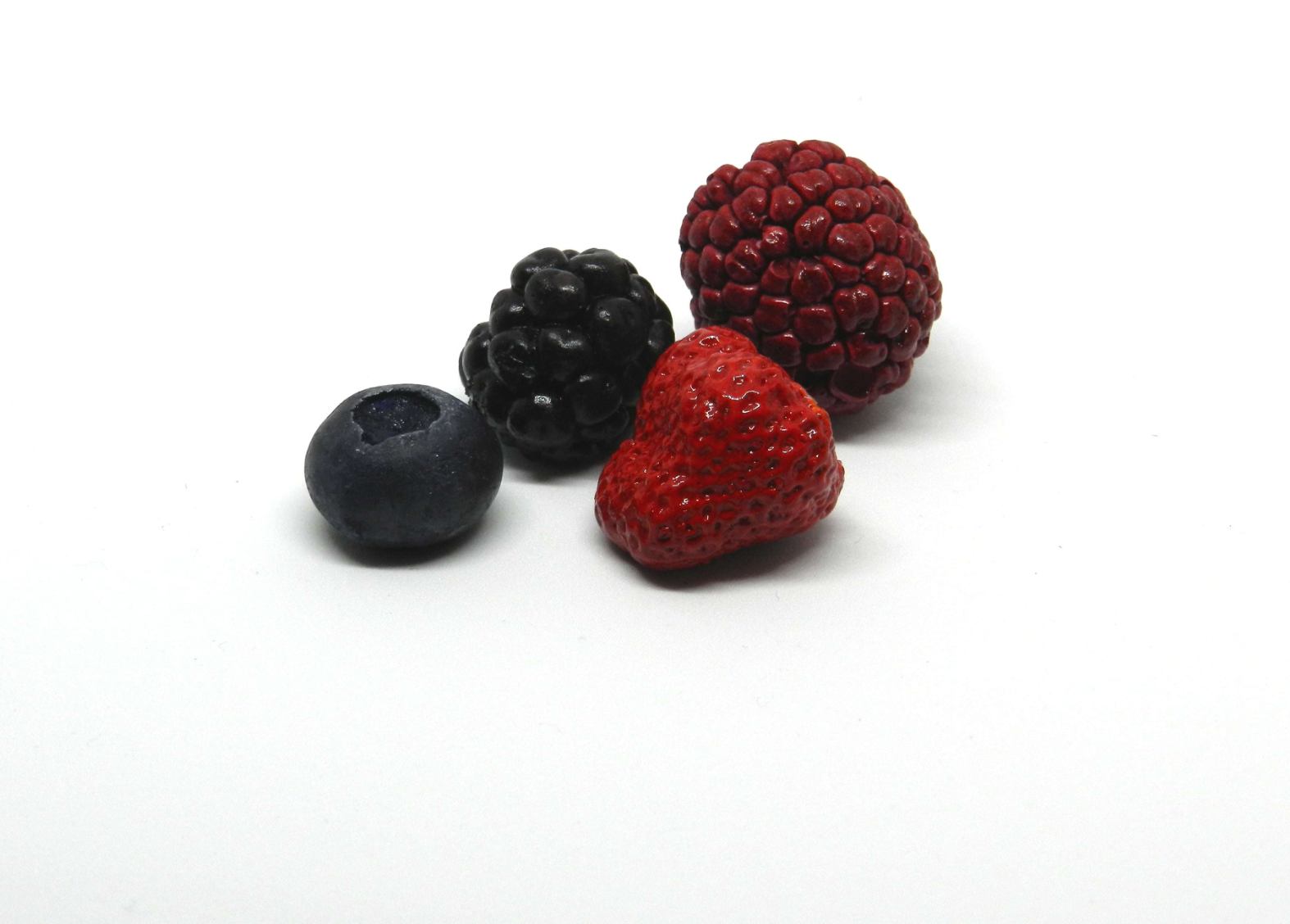
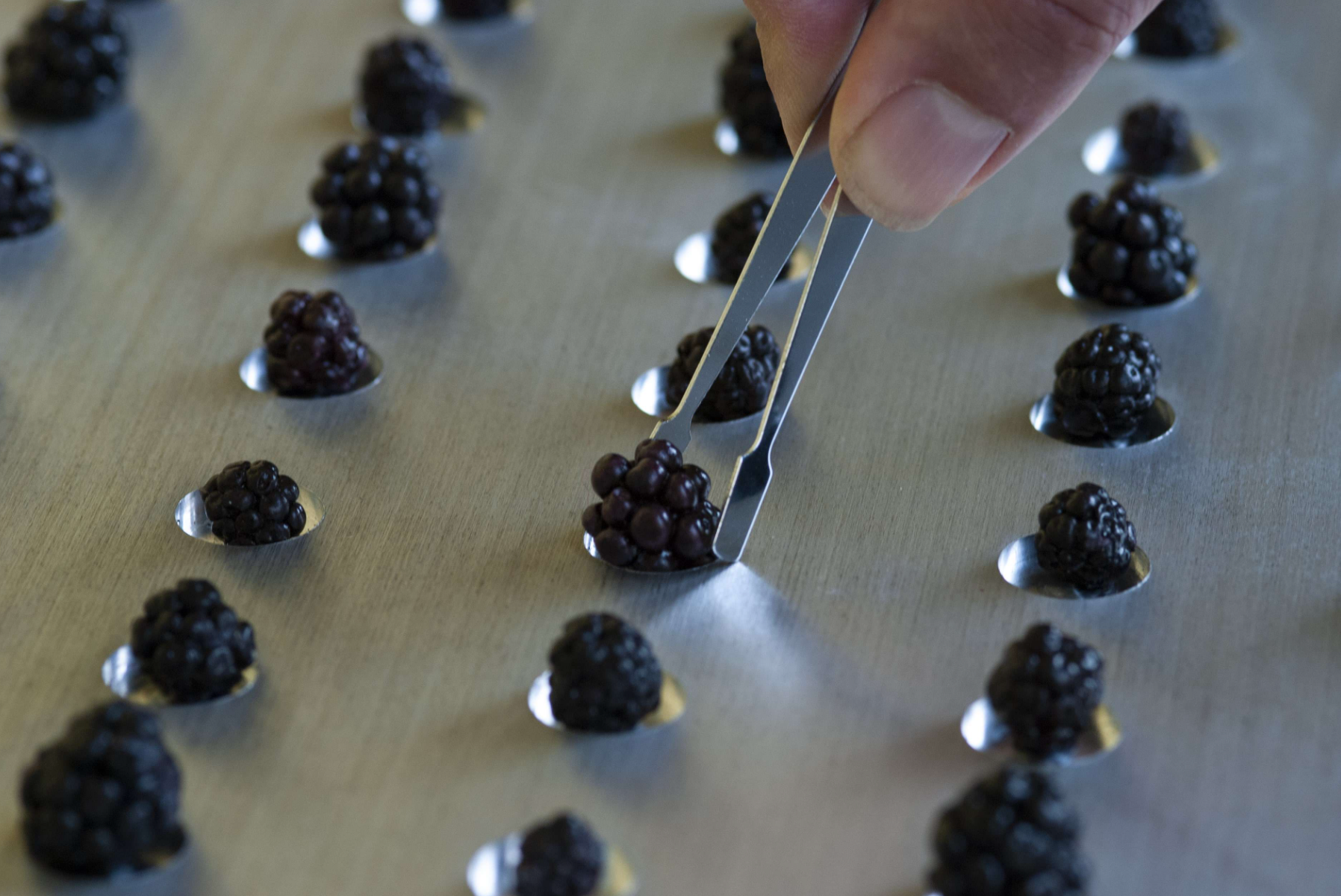
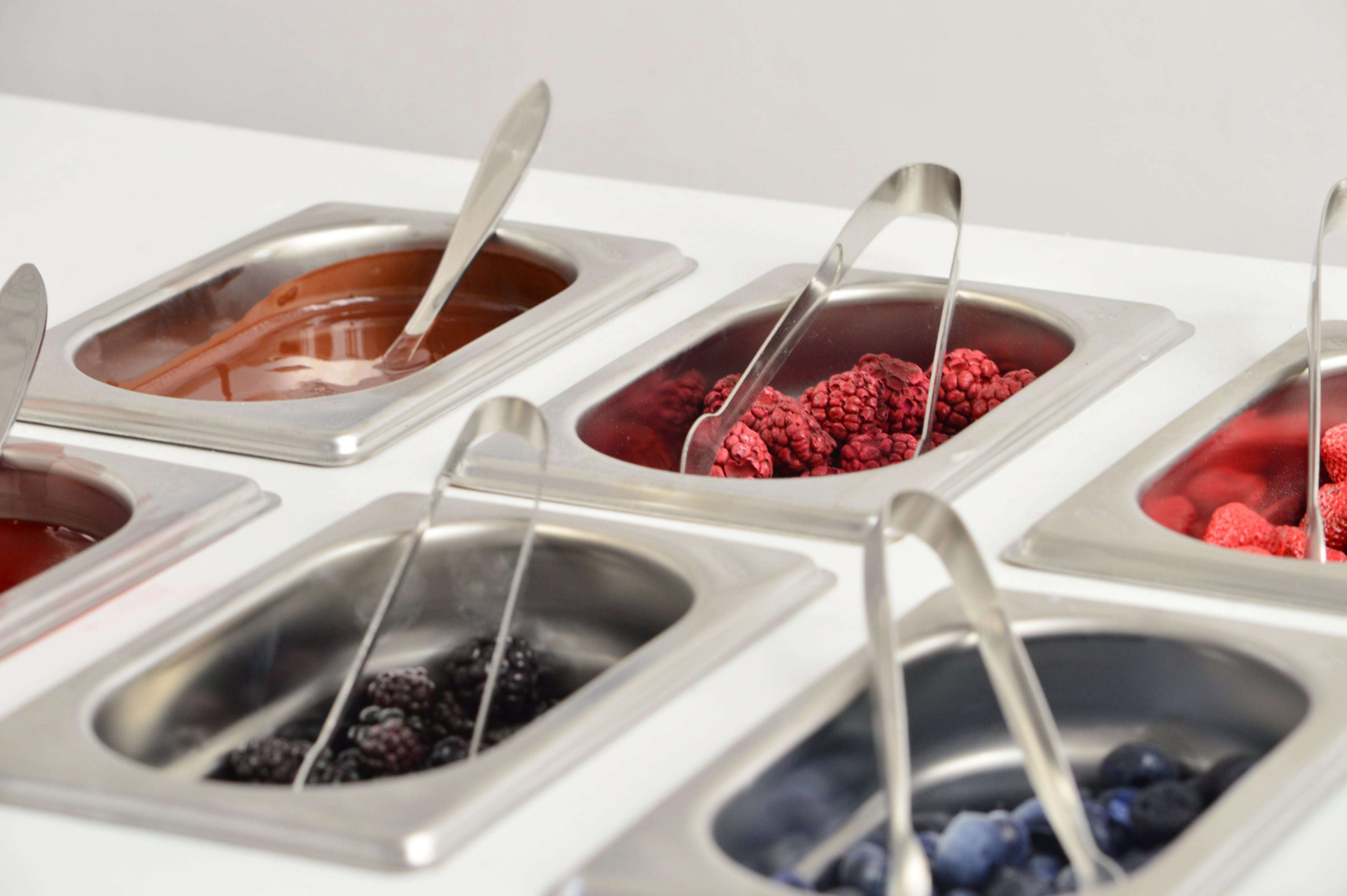
Gurgone lab is a fake chemical laboratory that the artist set up to create artefacts treated as small creatures or experiments, which take the form of real food. The idea starts with the intention to get people to interact with food. Not only food is a primary good that involves a large part of our daily lives; it also can be seen as a contemporary perversion, a category where the obsessive quest for apparent aesthetics and illusionary standards of beauty, driven by trends that are bound to change quickly, find room. In 2019, 1600 berries - strawberries, blackberries, raspberries and blueberries - were presented and displayed. Participants were asked to choose a single fruit from the ones on display to pack and take home.
The fruit becomes evidence of an intimate and personal selection, based on unique parameters that inevitably preclude all other possibilities. At the same time, the gaps that appear on the stands prove and illustrate a poll of preference. In the process of choosing the fruit, some people take their time, others follow their instinct, and other people are unable to make a decision: the game is also about discovering how those who are unable to make a choice try to escape the rule.

Butcher / Carnes y charcuteria by Cam Supermercados, 2020.
In collaboration with Salumi Levoni s.p.a
Series of sculpture and installations.
Raw clay, ceramic, plastic, various objects.
Antiguo Matadero, Zaragoza ES
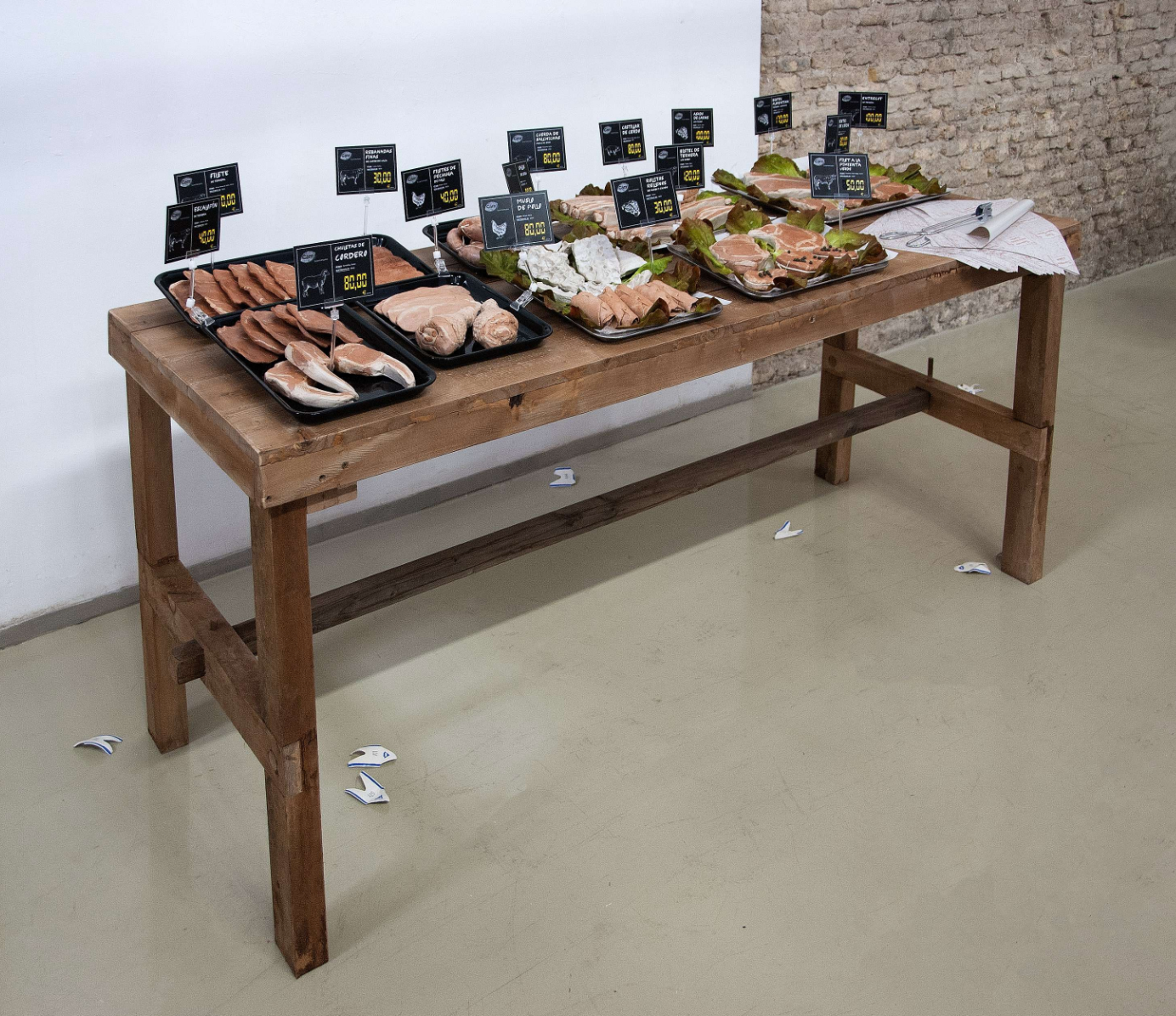
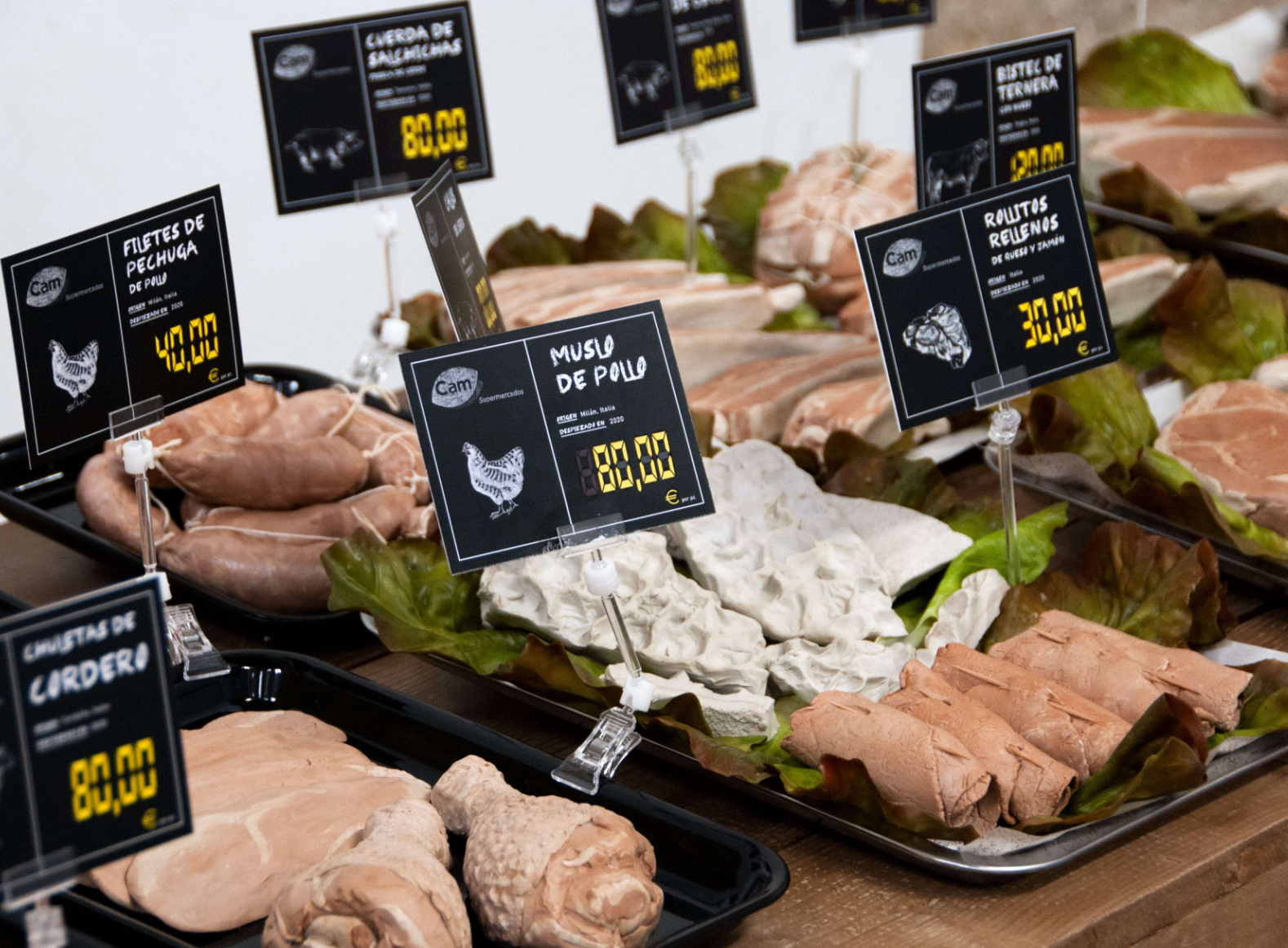
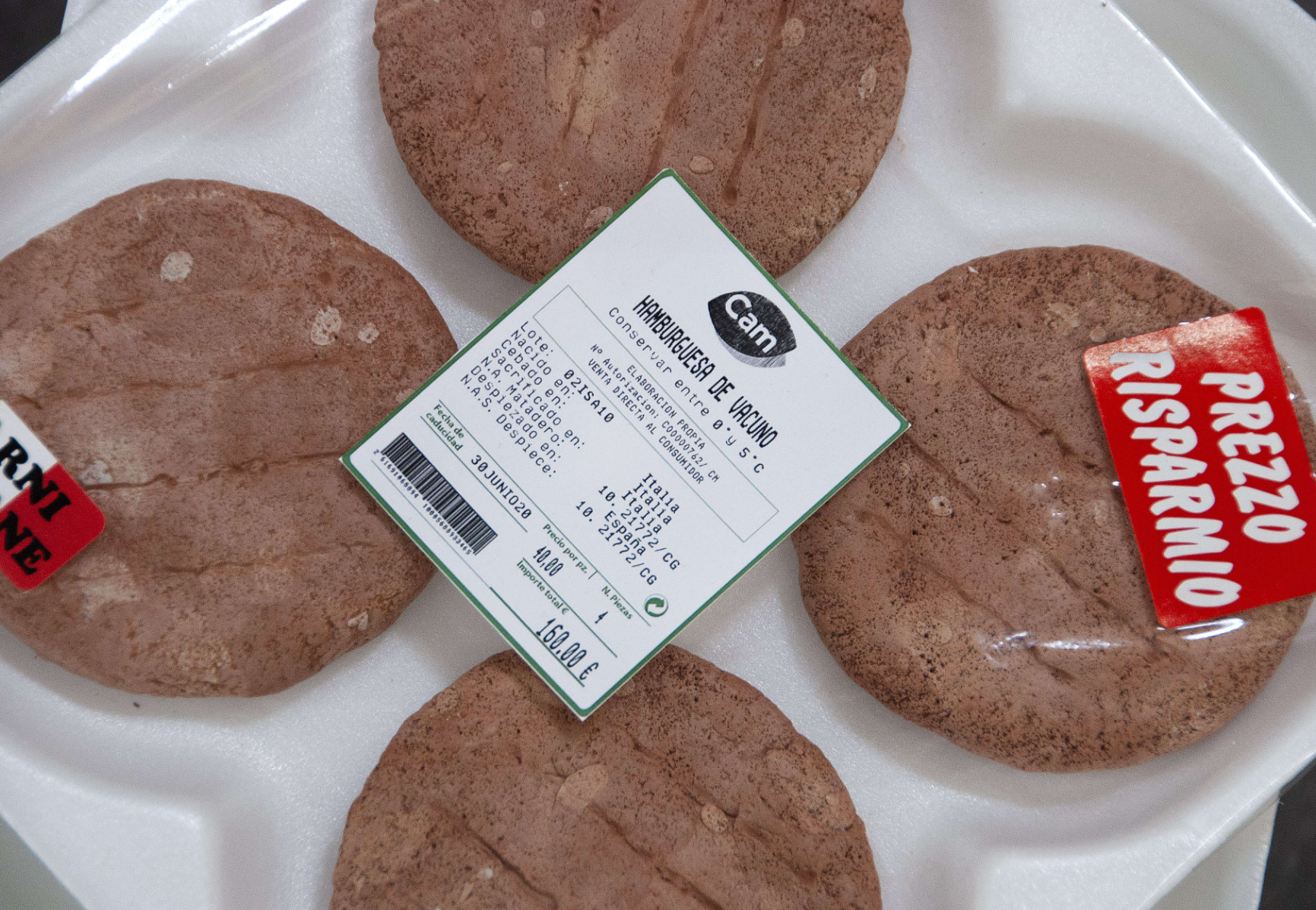
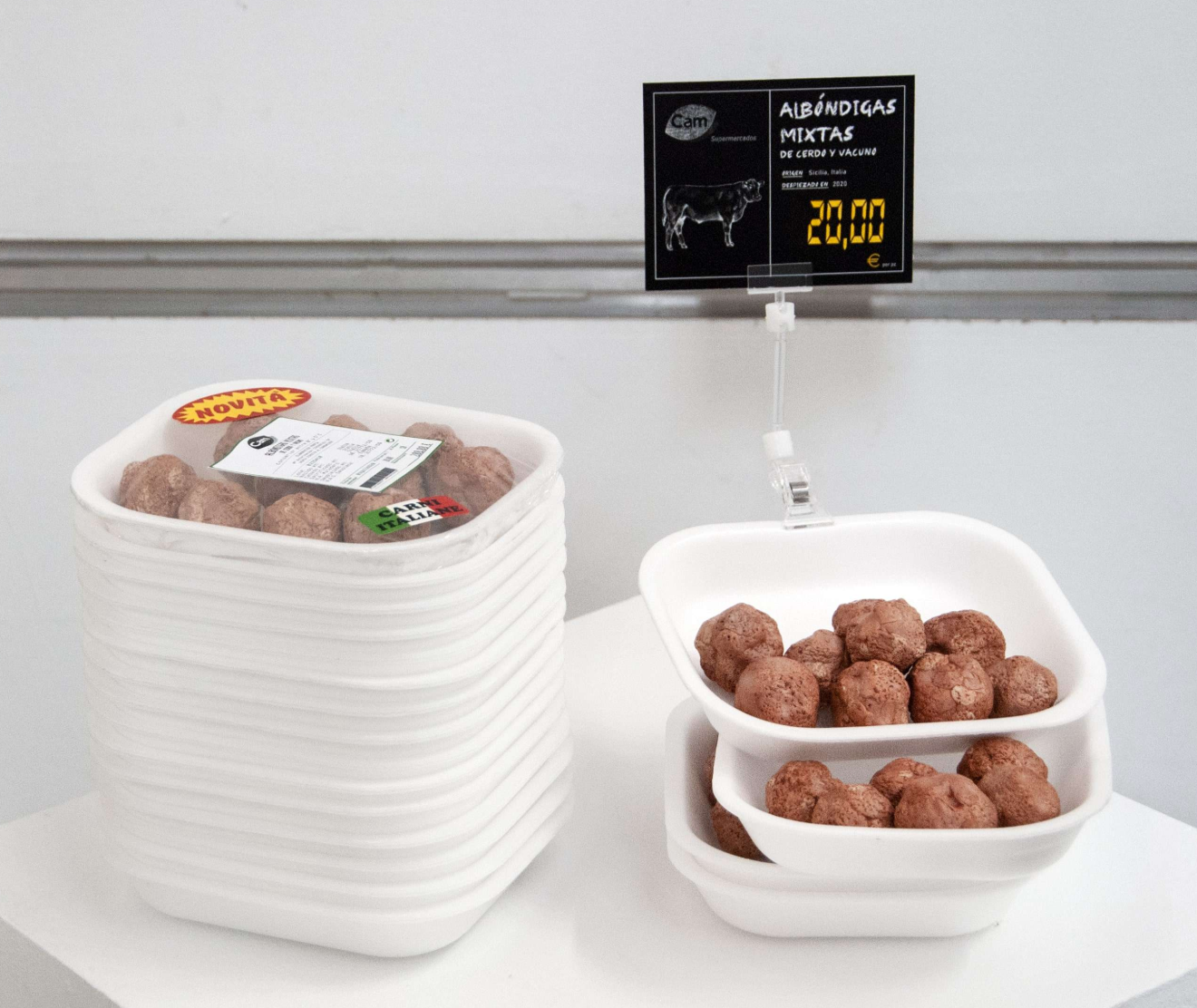
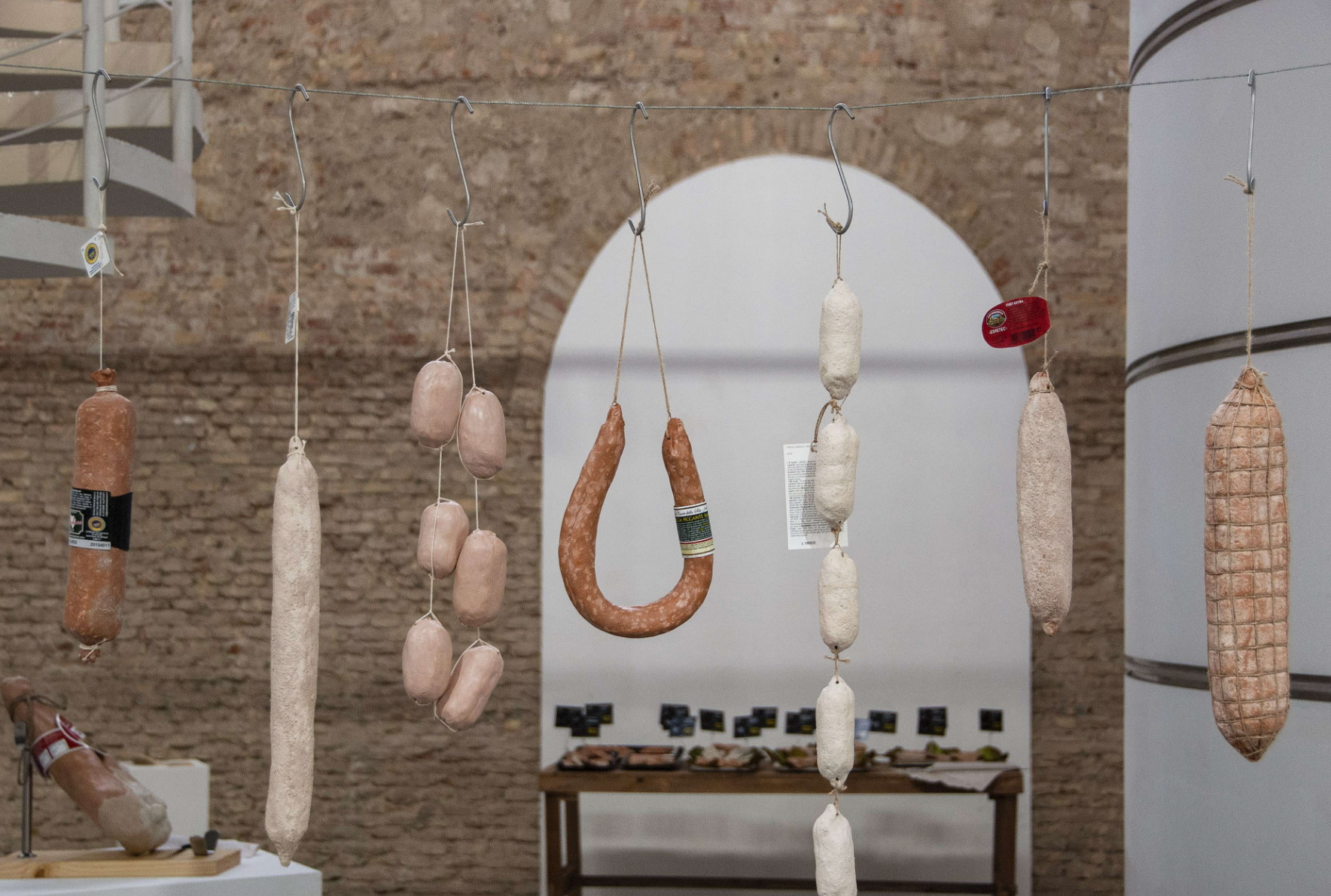
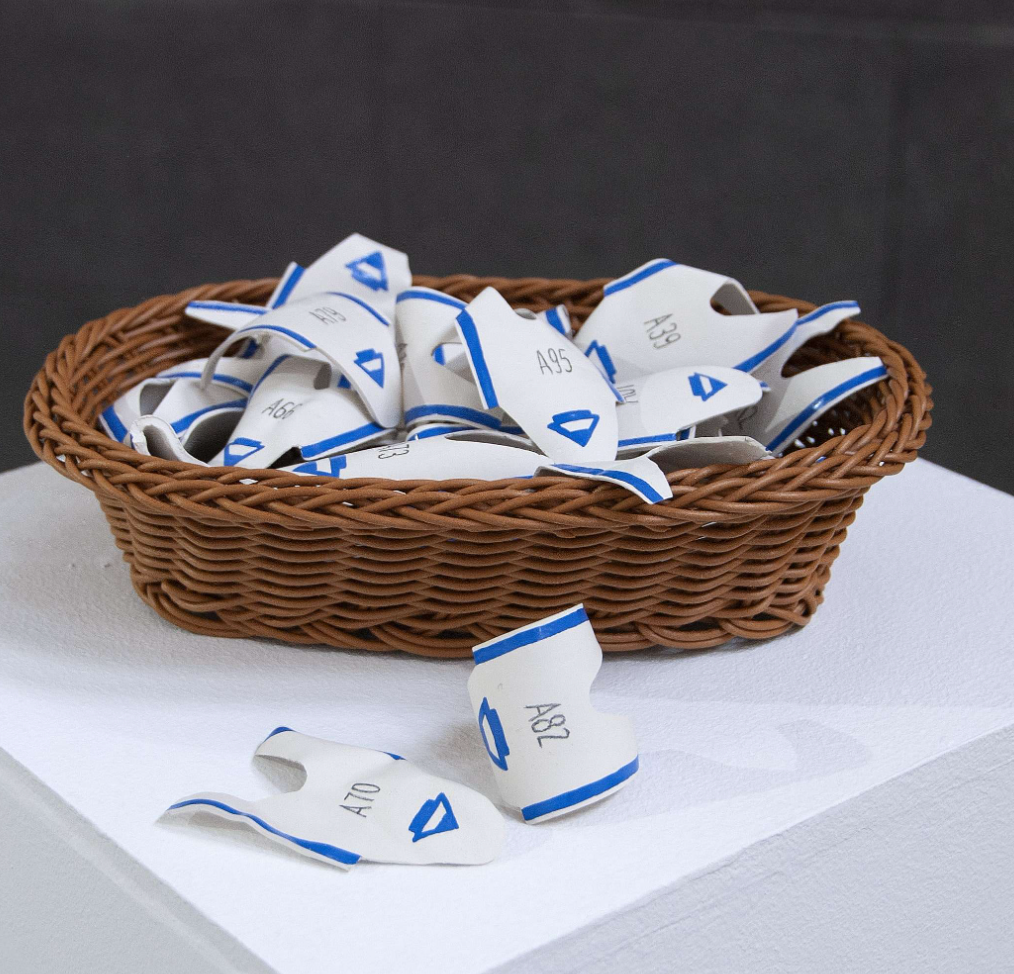
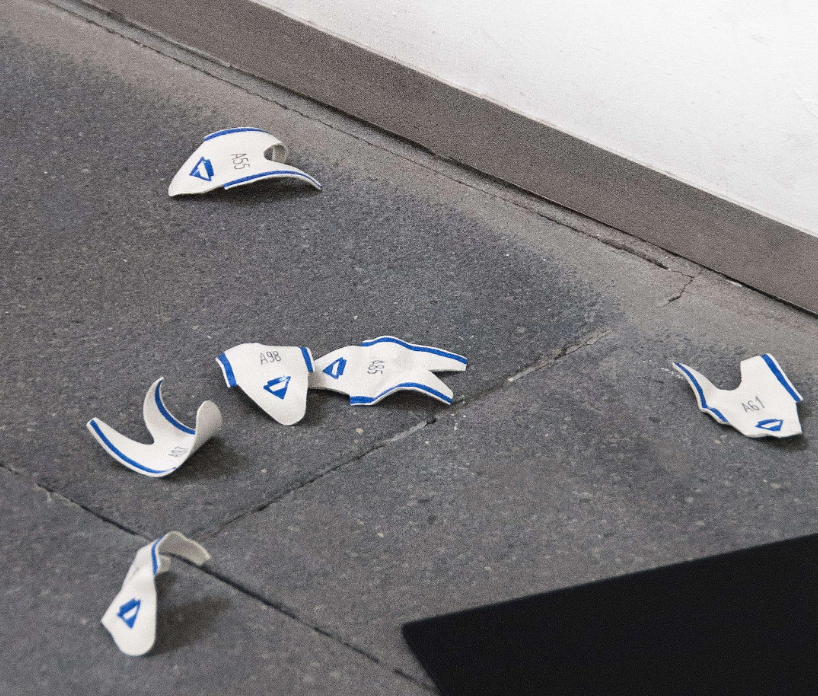
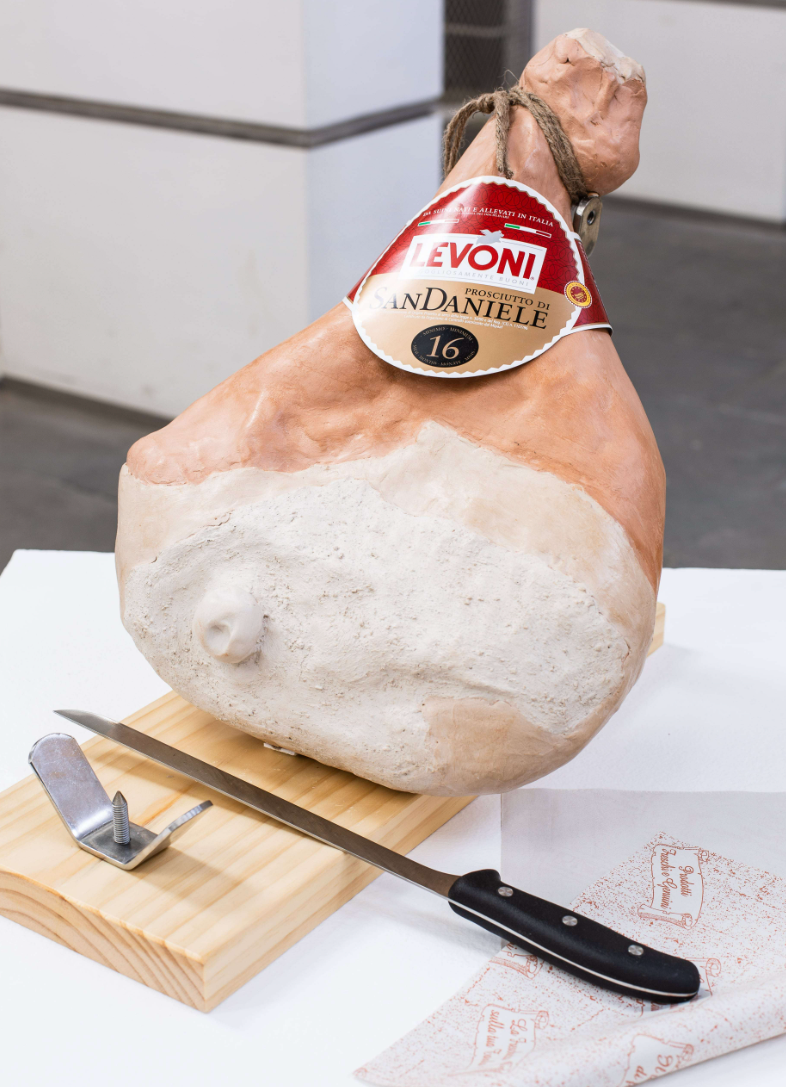
Carnes y Charcutería by Cam Supermercados recreates the meat counter of an ordinary supermarket, transforming the familiar experience of grocery shopping into a performative encounter. Visitors take a numbered ticket and wait to be served, before choosing from 35 different cuts of meat and cured meats, reproduced in raw clay and presented in polystyrene trays or labelled display containers. The sculptures are deliberately left unfired, preserving a material condition that recalls the rawness and perishability of actual meat. The accuracy of the display, the ordering system, and the interaction at the counter encourage visitors to approach the installation as a functioning commercial space, temporarily blurring the boundaries between purchasing a product and participating in an artwork.
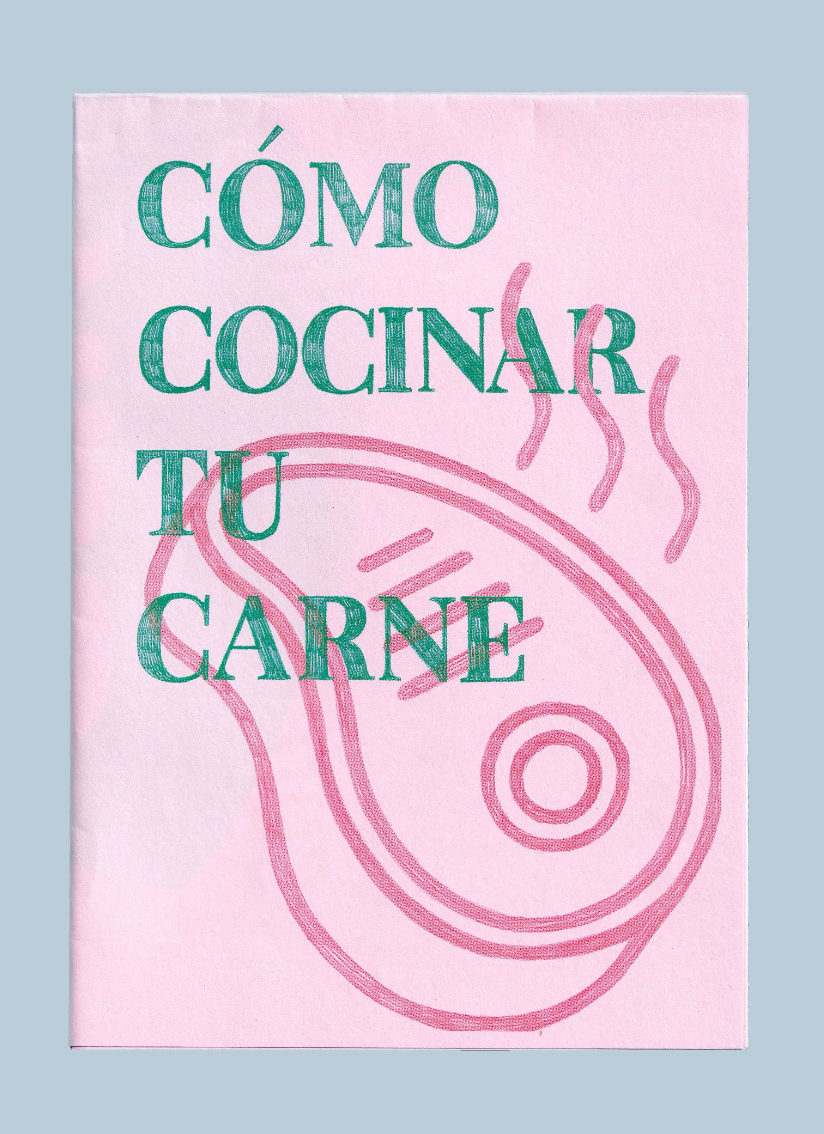
Each purchase is accompanied by a brochure containing instructions for cooking the selected piece in a microwave at home. By extending the experience beyond the exhibition space, the project questions the conventions through which objects acquire value, functionality, and meaning, while transforming an ordinary commercial transaction into an ambiguous exchange between art and everyday life.

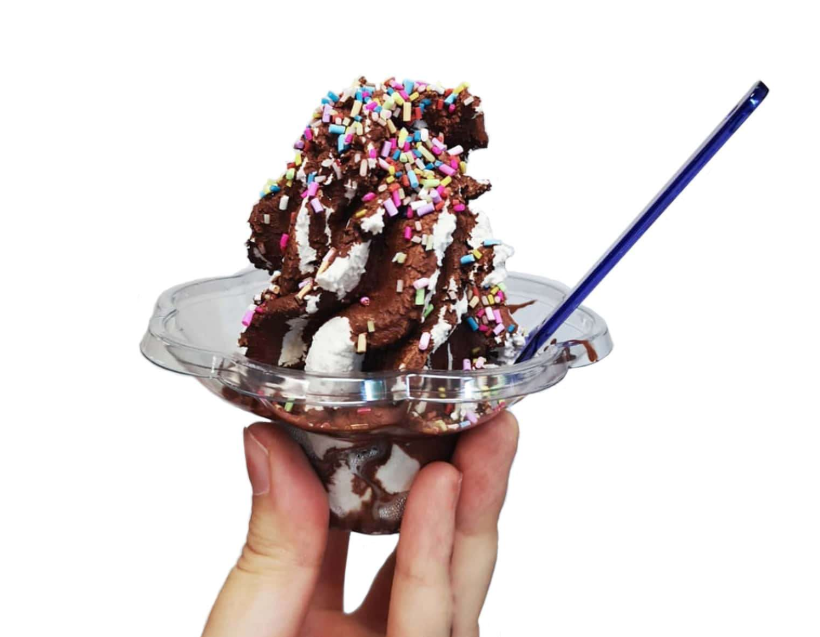
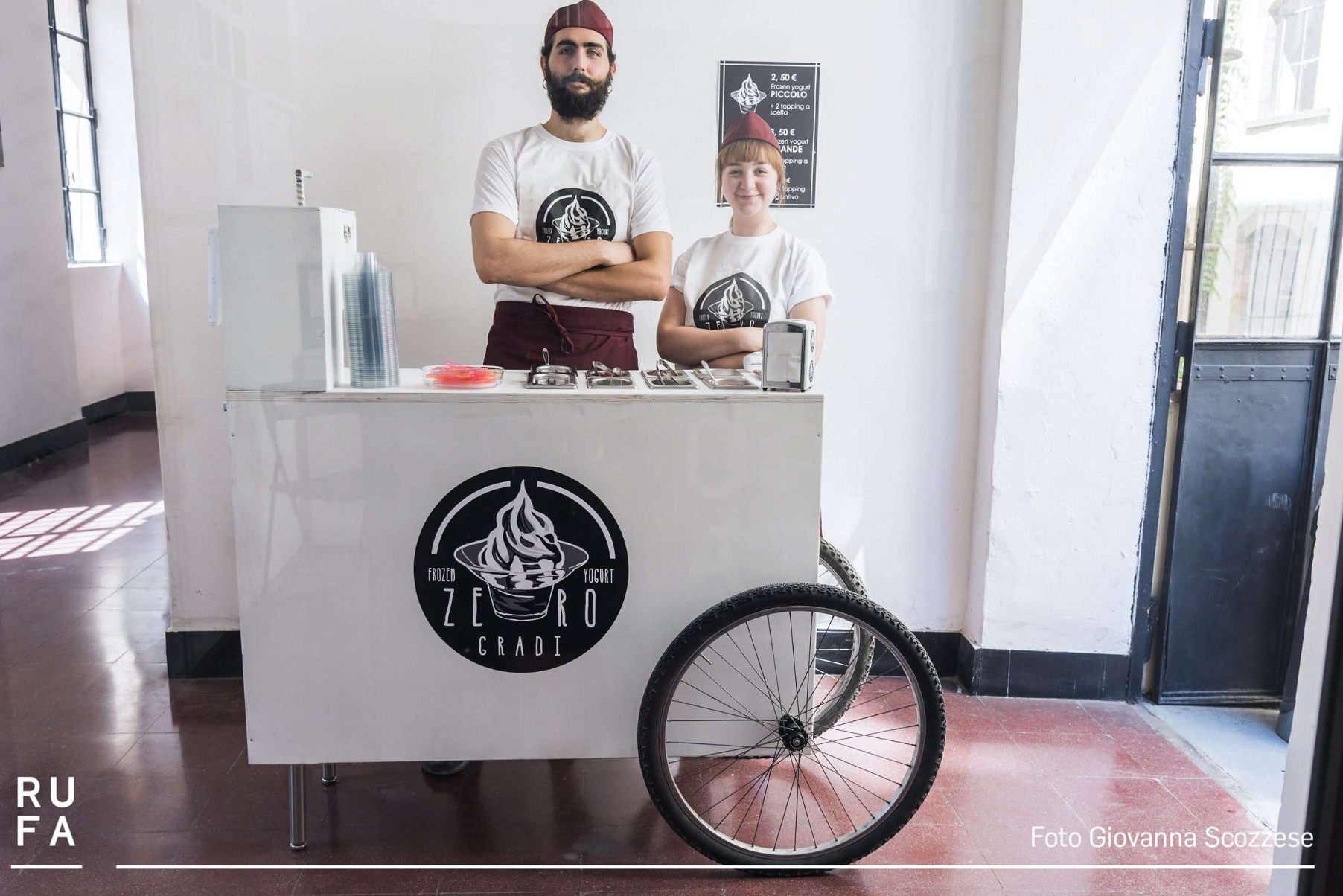
Ice cream vendor/ Zero gradi frozen yogurt, 2019.
05 july 2019, 12:00-16:00 pm.
Chalk, paint, pigments, plastic, iron, wood, accessories.
Environmental dimension.
RUFA, Rome IT
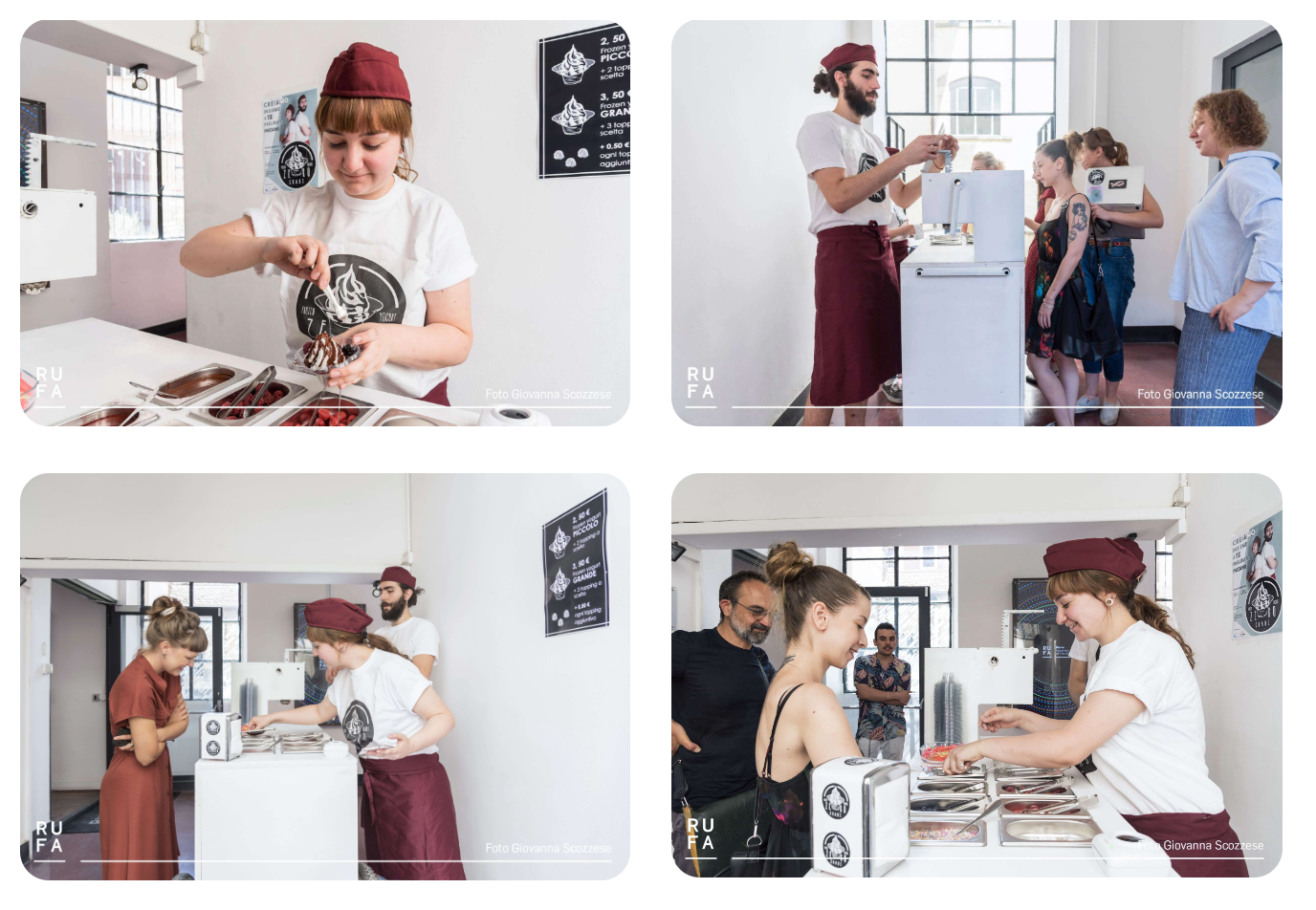
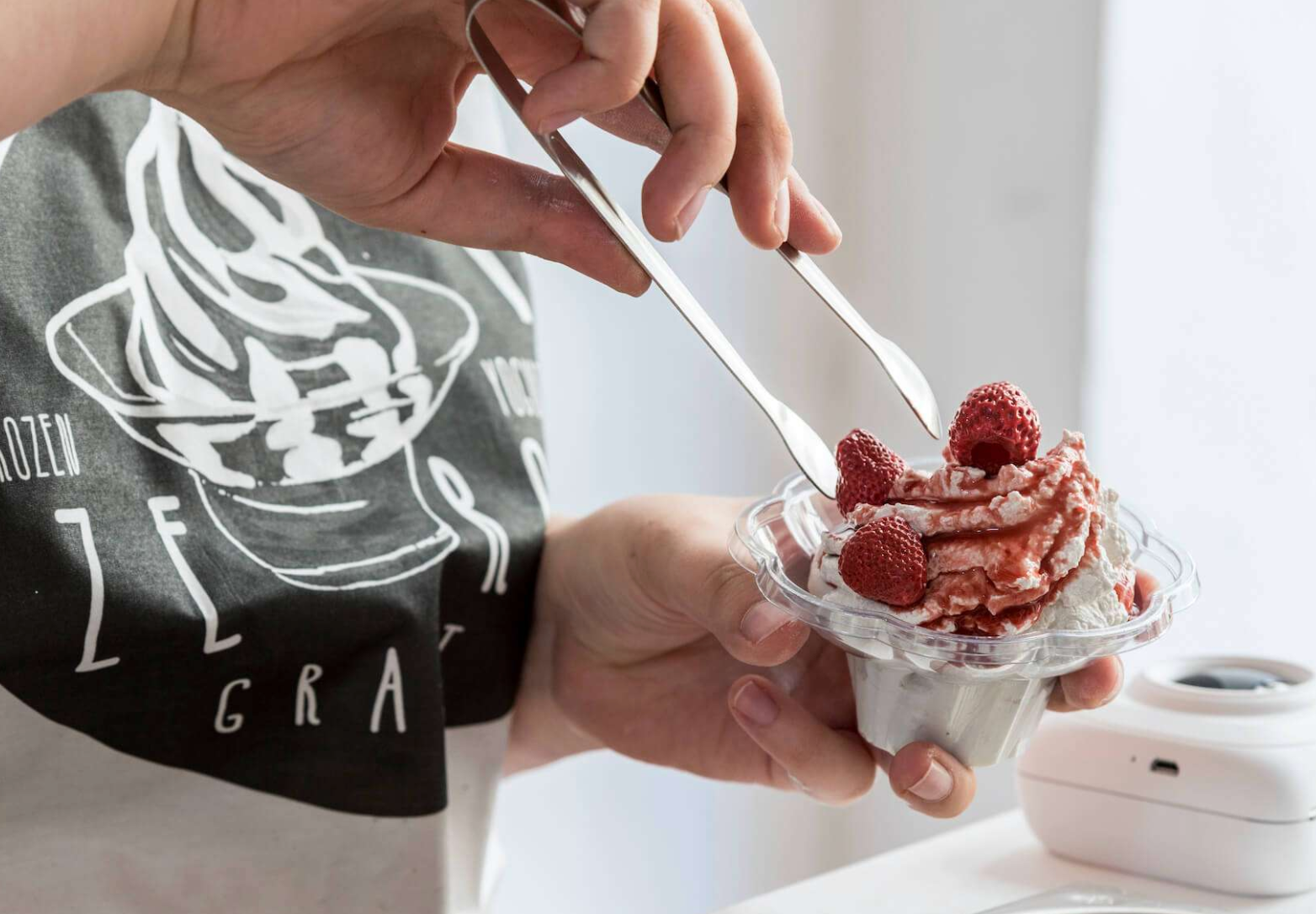
Zero gradi Frozen Yogurt recreates a functioning frozen yogurt parlor, transforming an ordinary commercial setting into a participatory performance. Conceived and performed in collaboration with Nicola Petruzzi, the project takes its name from a double reference to temperature and to the attempt to reduce the distance between reality and fiction to zero. During the performance, we assumed the roles of ice cream vendors, inviting visitors to order their own frozen yogurt and customize it with a selection of toppings and garnishes. Every component was meticulously reproduced using non-edible materials, with particular attention to textures, colors, and presentation, creating an illusion of authenticity within a familiar commercial ritual.
The interaction unfolded through the conventions of an everyday transaction, encouraging participants to engage with the installation before fully recognizing its fictional nature. The apparent realism of the products generated a tension between visual perception and material reality, placing visitors in a state of uncertainty between what they believed they were purchasing and what they were actually encountering.

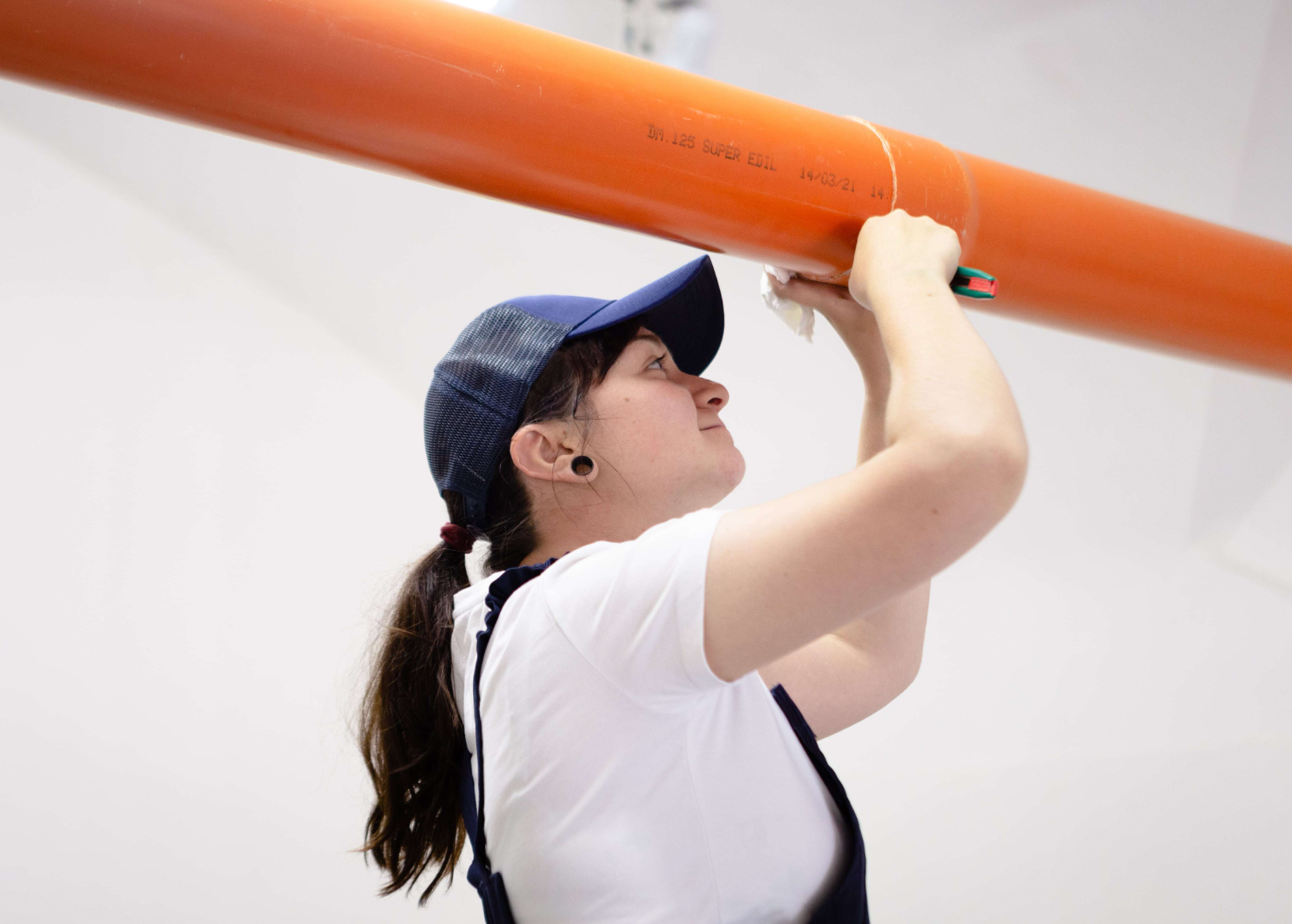
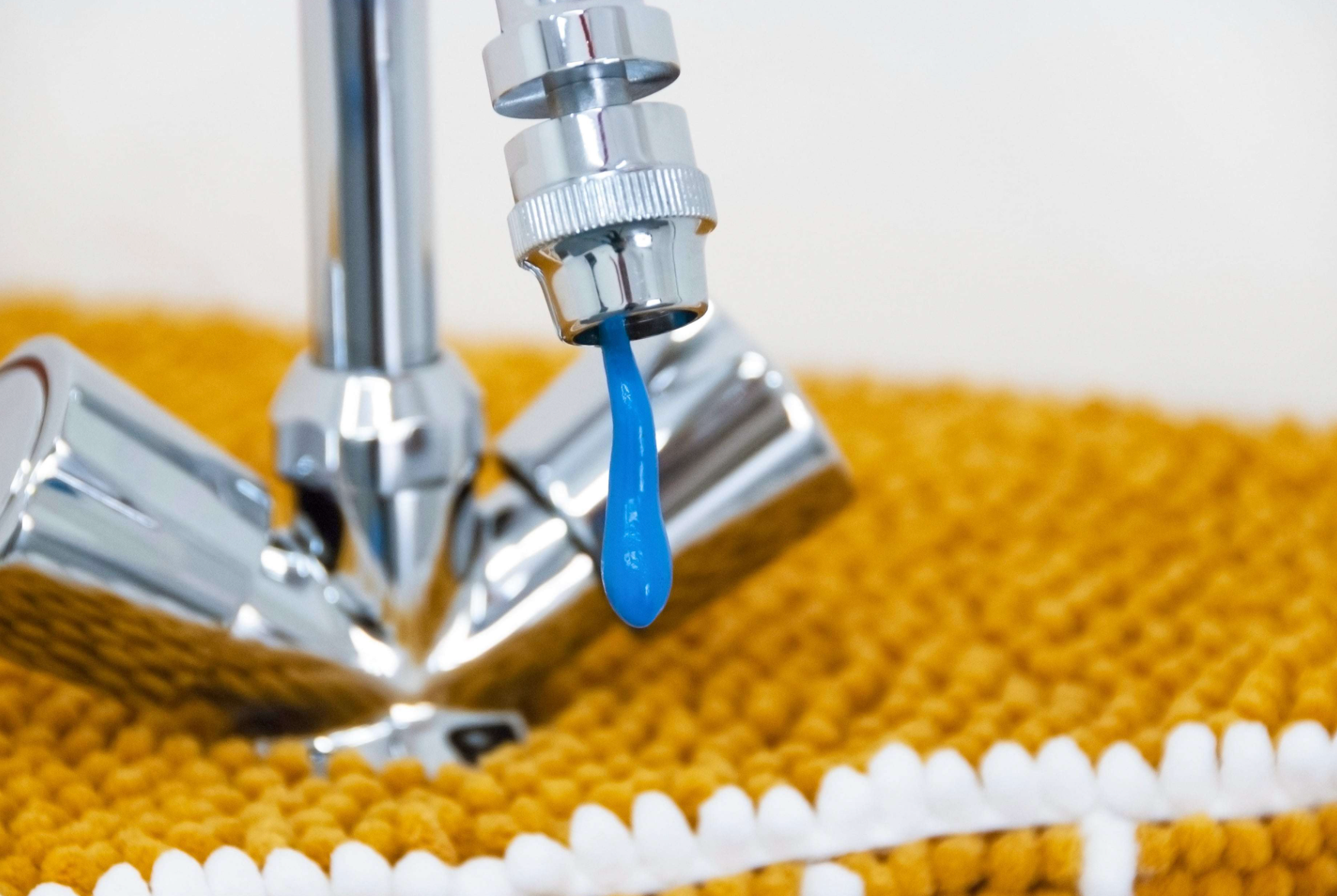
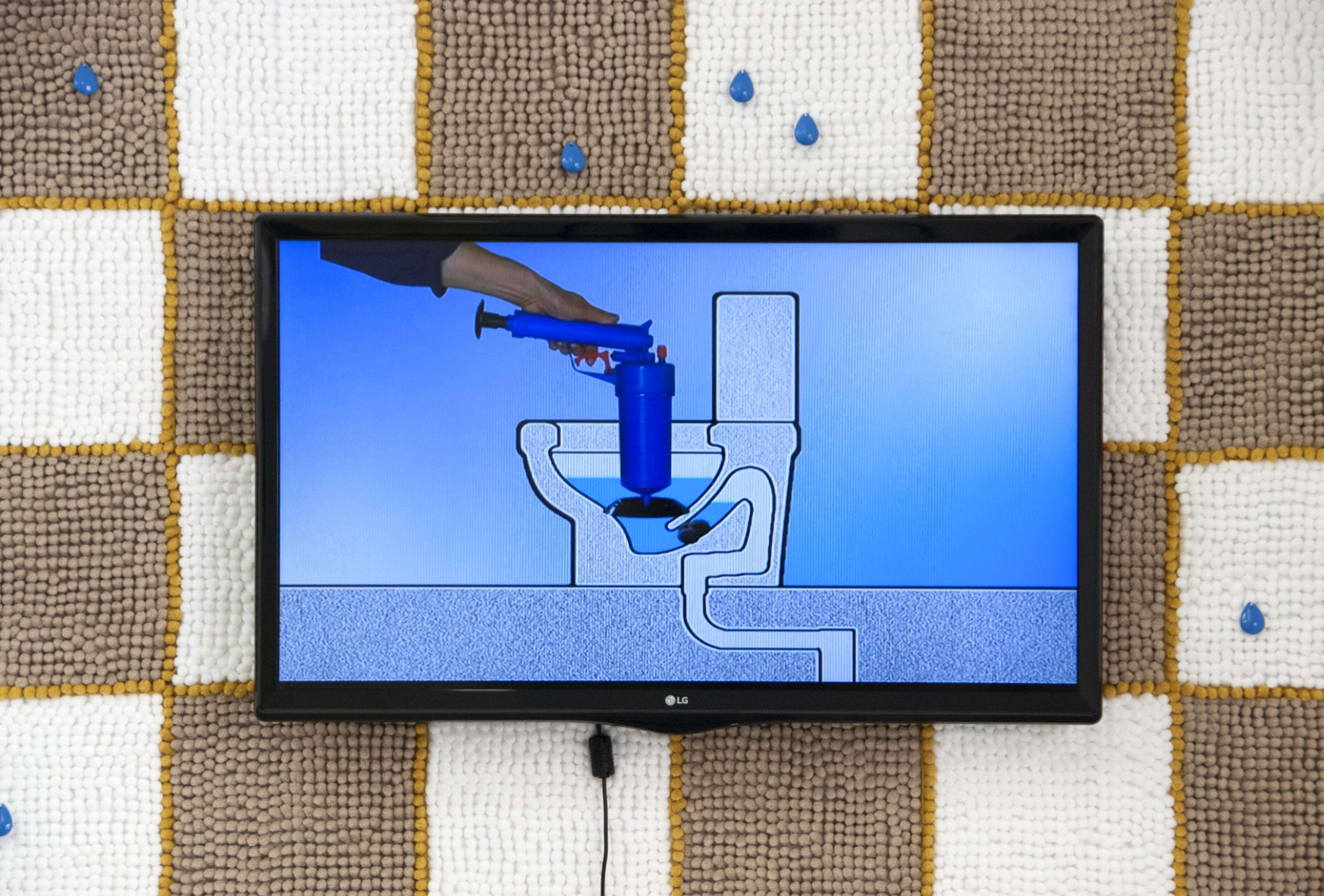
Plumber / Problemi di idraulica, 2021.
Series of installations and video installations.
Installation view KHLAB, Rome.
Ph: Tommaso Schirru.
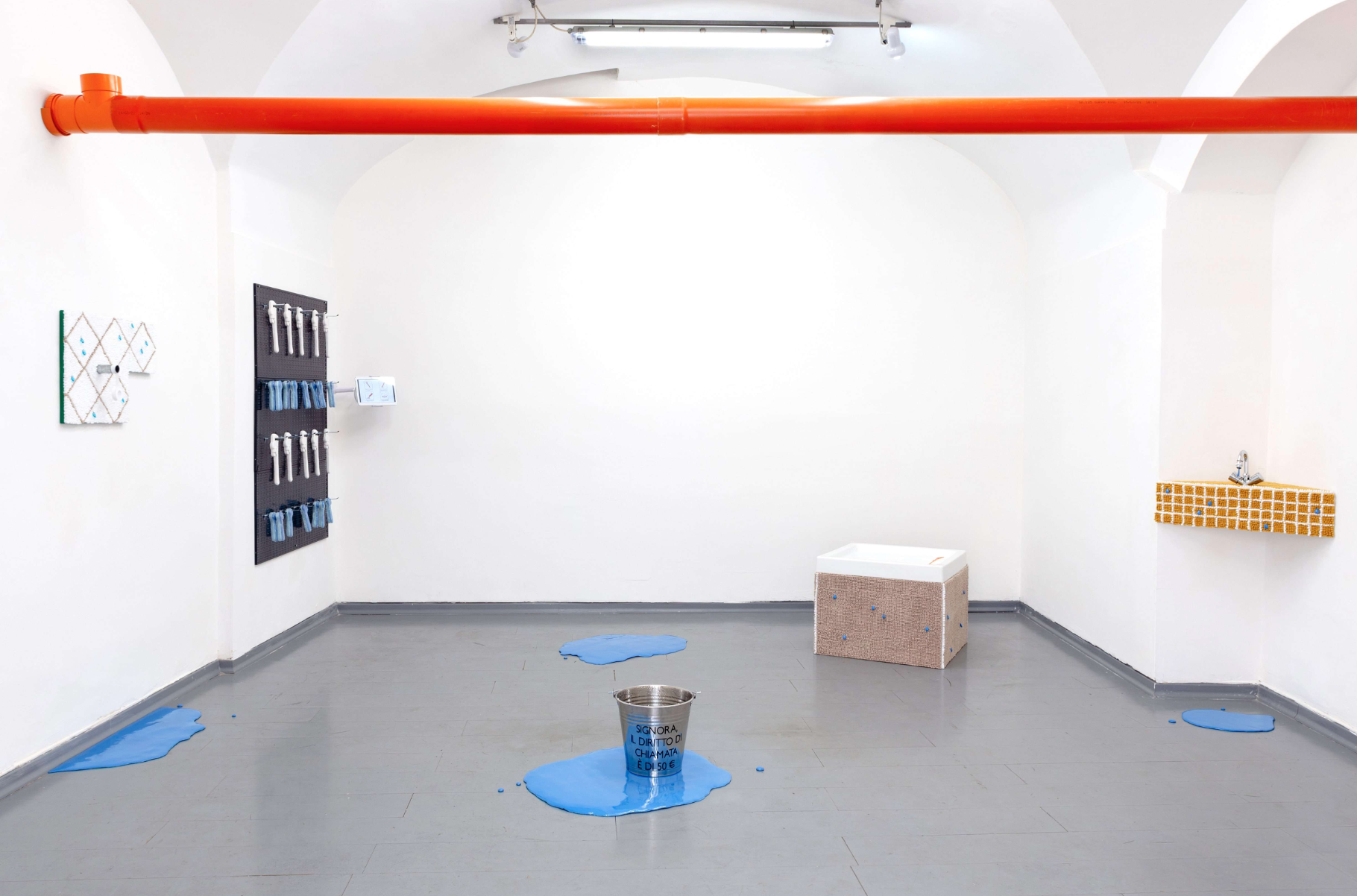
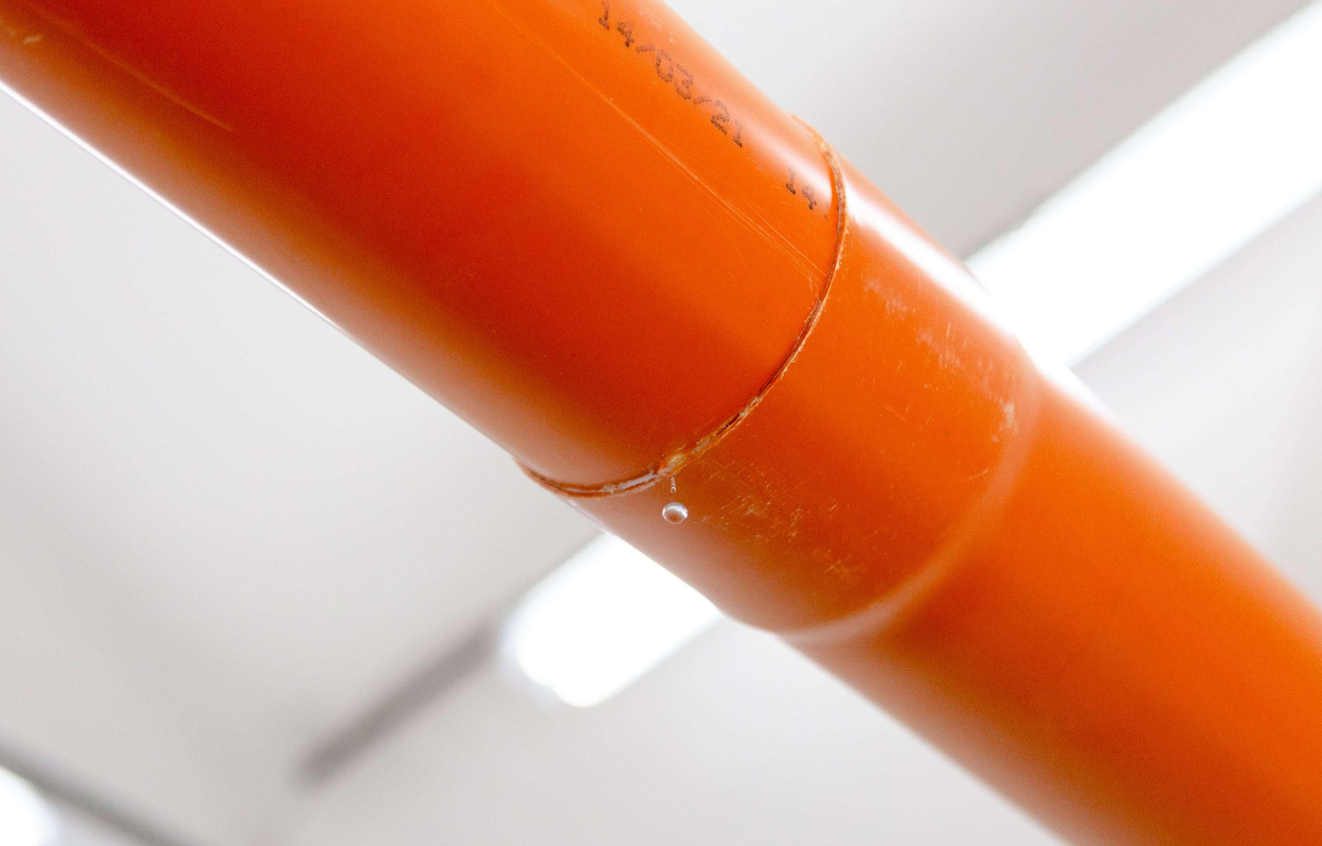
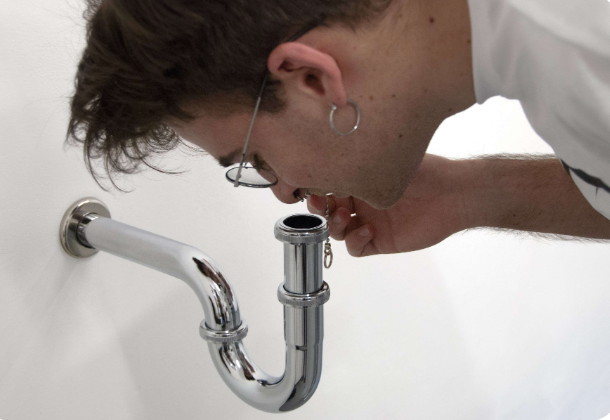
In Problemi di idraulica, I temporarily assume the role of a plumber, exploring the ordinary malfunctions and unexpected accidents that can disrupt domestic environments. Through installations, videos, and posters, I reconstruct a series of situations involving leaks, blockages, and plumbing failures, transforming familiar household inconveniences into a landscape of tragicomic scenarios. The project draws on the recognizable imagery of plumbing maintenance, where technical expertise, practical solutions, and the promise of restoring order confront the unpredictable nature of everyday accidents. By adopting the gestures, tools, and visual language associated with the profession, I create situations in which the apparent functionality of a service gradually gives way to absurdity.
Rather than resolving these problems, my intervention amplifies their contradictions, turning the domestic environment into a space where disorder becomes both the subject and the driving force of the work. The figure of the plumber oscillates between professional competence and performative fiction, questioning the expectations we place on those entrusted with repairing what no longer functions.

Baker / Canestrelli, 2021.
In collaboration with Naima Dolceforno Bakery, Genova.
23-26 sept. 2021, Genoa. Biscuits, food markers, powered sugar, paper packaging. Environmental dimension. DIVAGO - Via del Campo, Genoa IT.
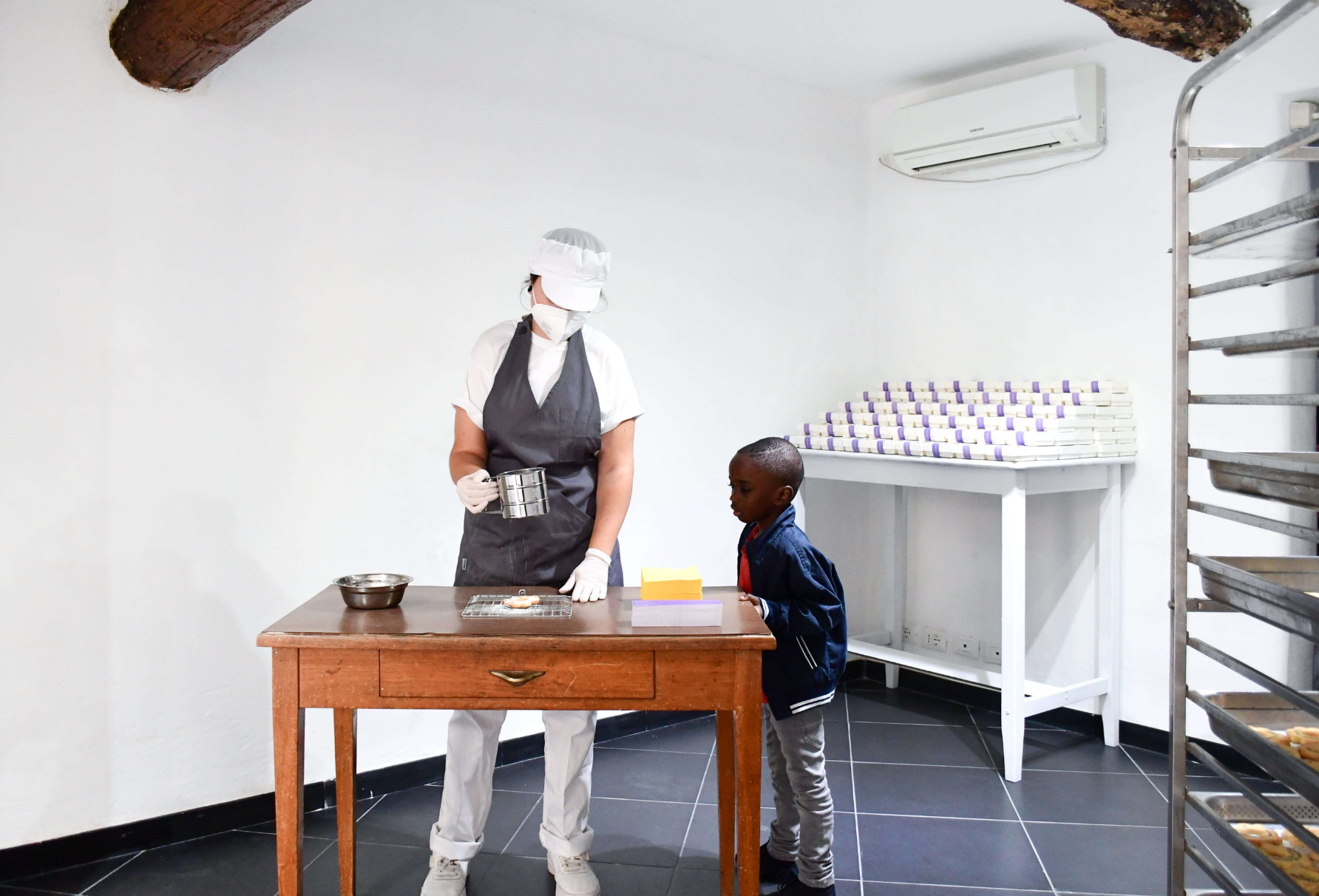
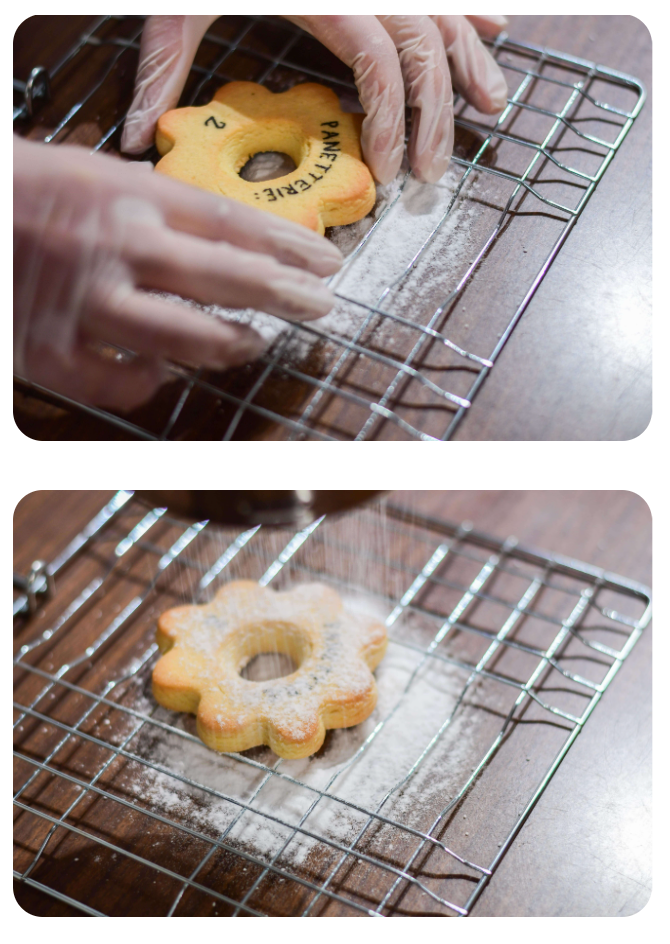
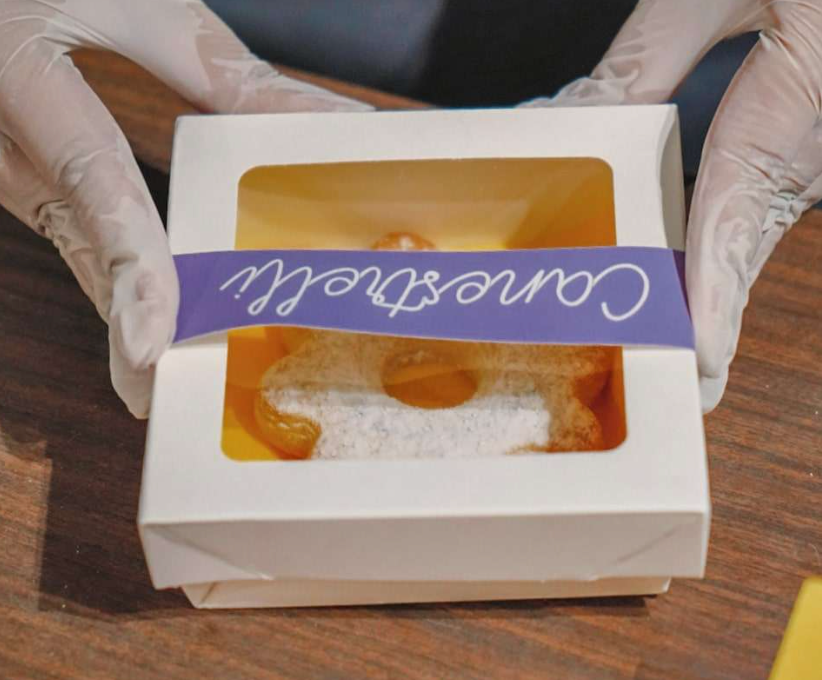
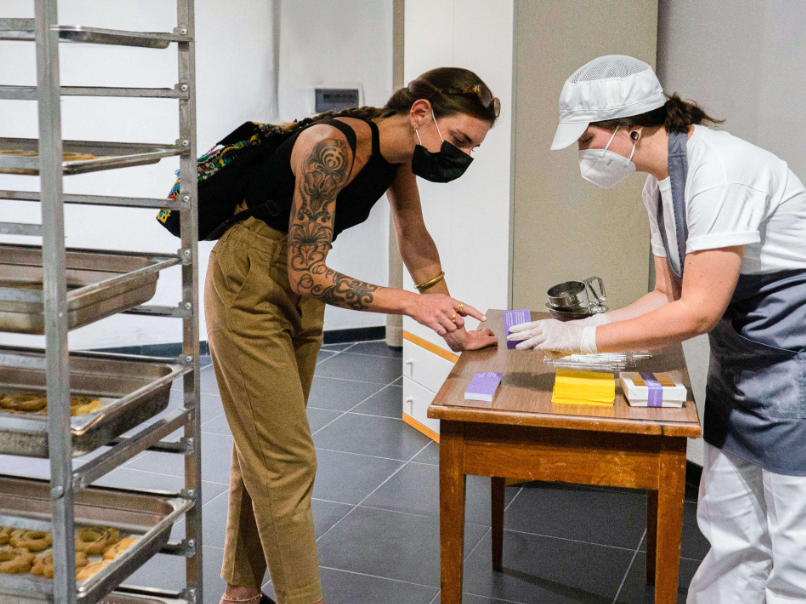
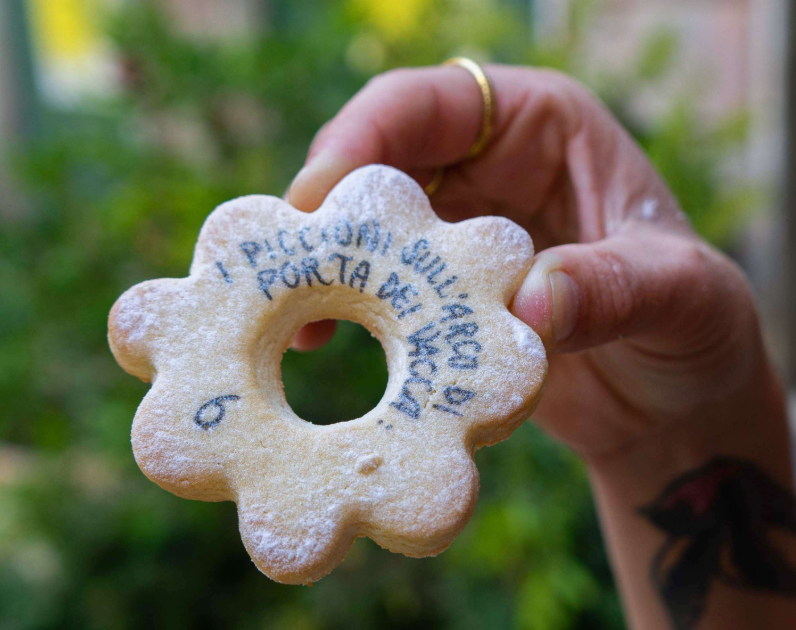
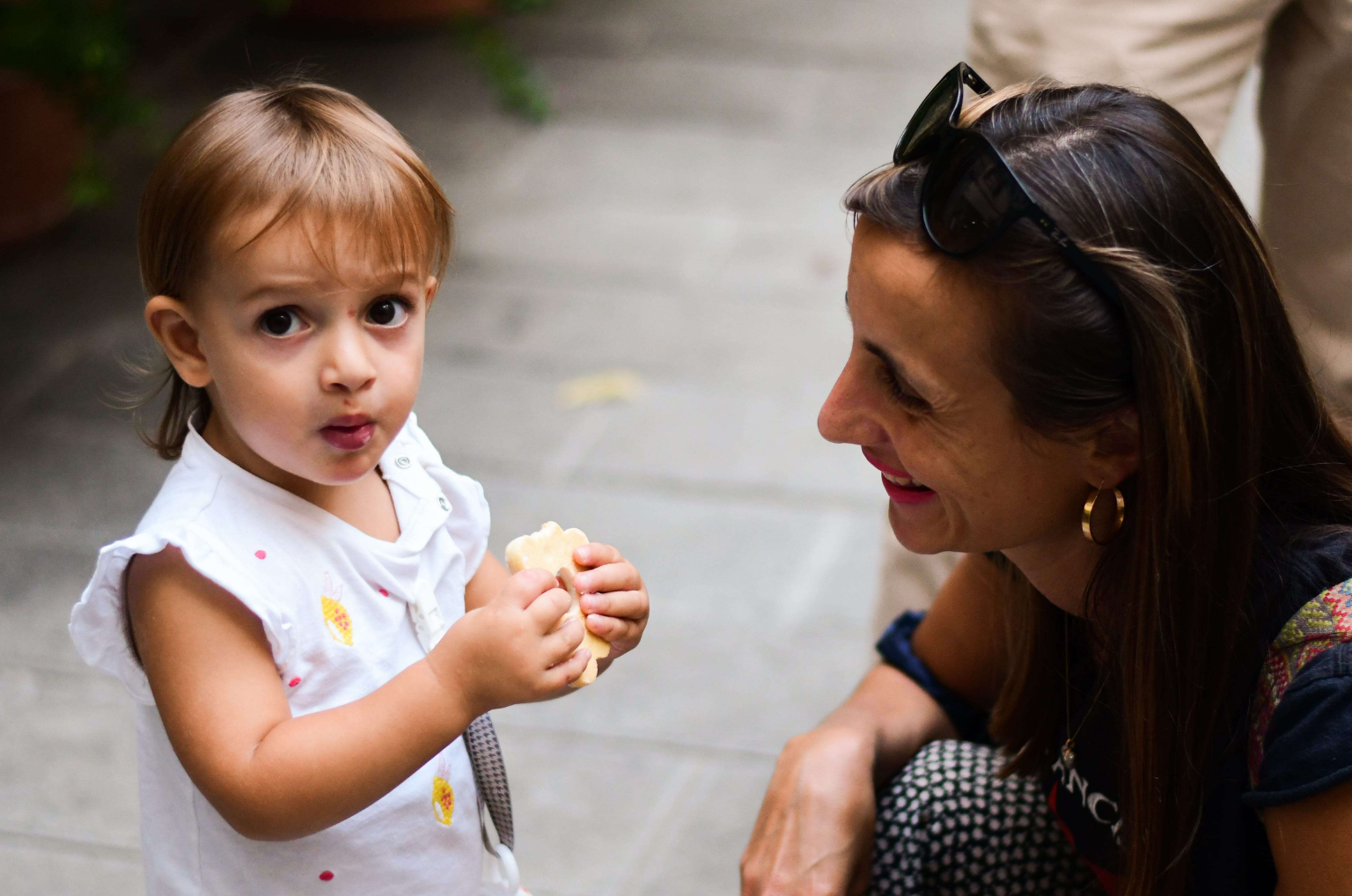
For the second edition of Divago Festival, Camilla Gurgone "crafted" an encounter between citizens and the community of Via del Campo through a relational work carried out during the days of the event. The project starts with Canestrelli, biscuits known nationally that are particularly significant for Ligurian history. A symbol of popular culture for their simplicity, the biscuits were left to cool in canestri(woven baskets), hence their name. During her residency, the artist wandered through Via del Campo, looking for special details, odd clues, and any element of the neighborhood that would catch her eye. She noted everything down and linked it to a count. "Children running in the street: 4"; "Lights on after dark: 15" these are just some examples of the 250 notes that were later written down on fresh Canestrelli, made and provided by a local bakery.
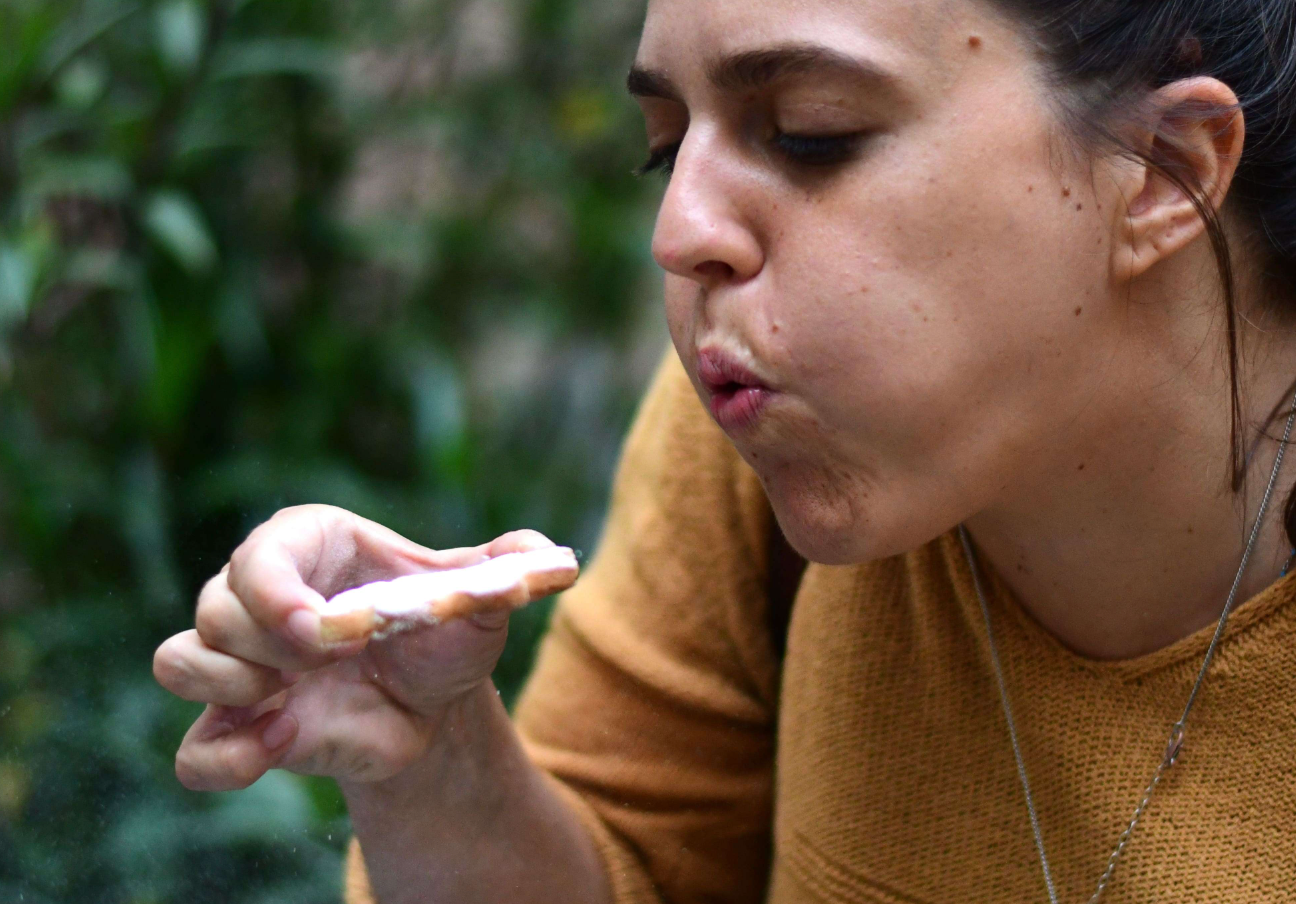
From 23 to 26 September, Gurgone set up a base in Piazza Don Gallo’s social lodge, and offered each of her visitors a biscuit, hiding the annotation by dusting it with powdered sugar. The game for the visitor consisted in blowing off the sugar to uncover the hidden sentence. The owner of the biscuit was also asked to walk through the streets, looking for the same clue, the same feeling noted on their Canestrello, and then write their count on the product packaging.

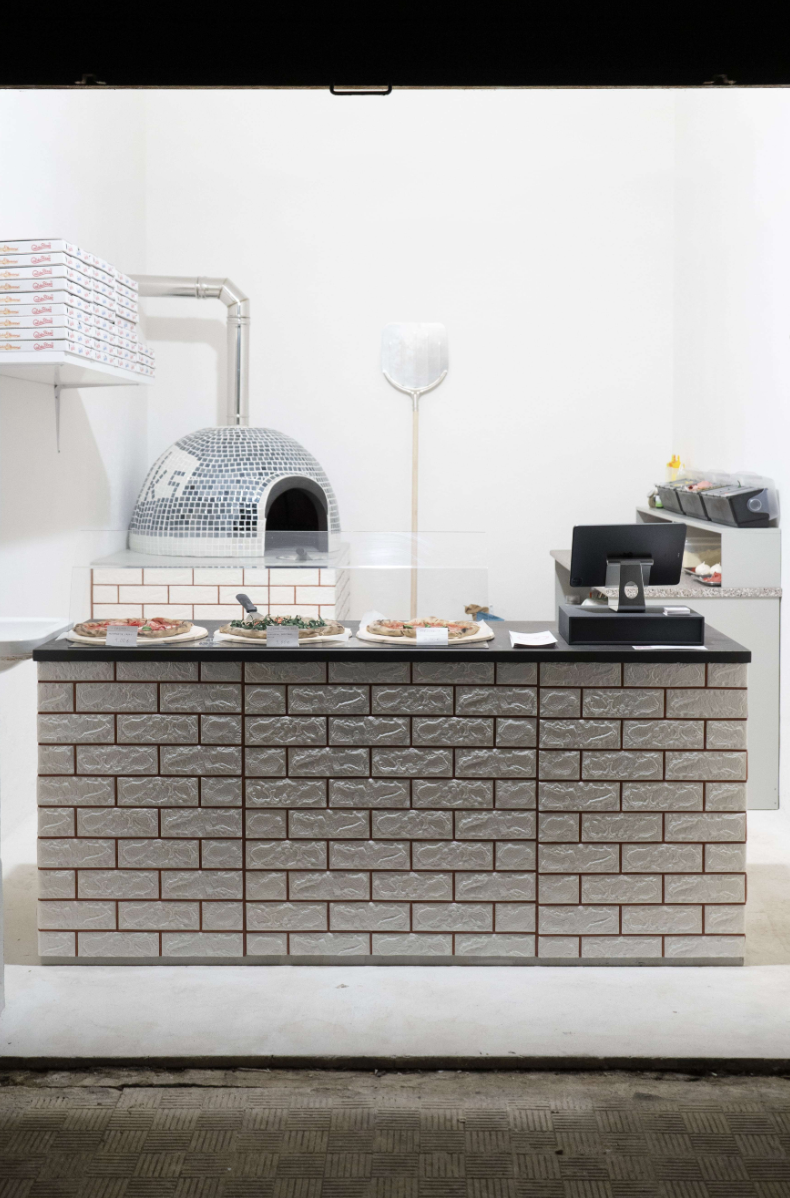
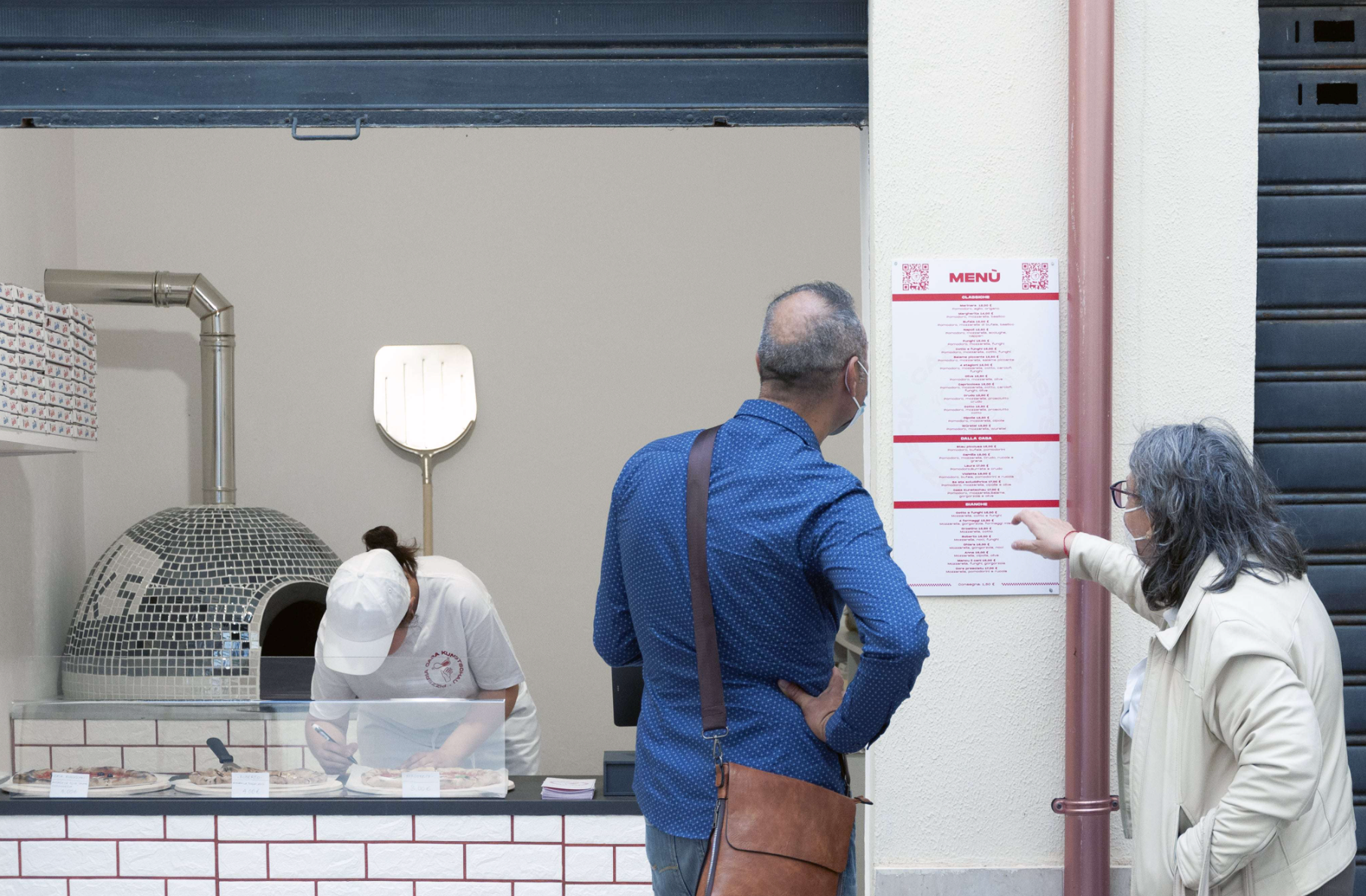
pizza chef / Pizzeria casa Kunstschau, 2022.
June 11-July 9, 2022.
Flour, glue, paints, plaster, pigments, wood, modeling pastes, plastic, stainless steel. Environmental dimensions.
Kunstschau contemporary place, Lecce.
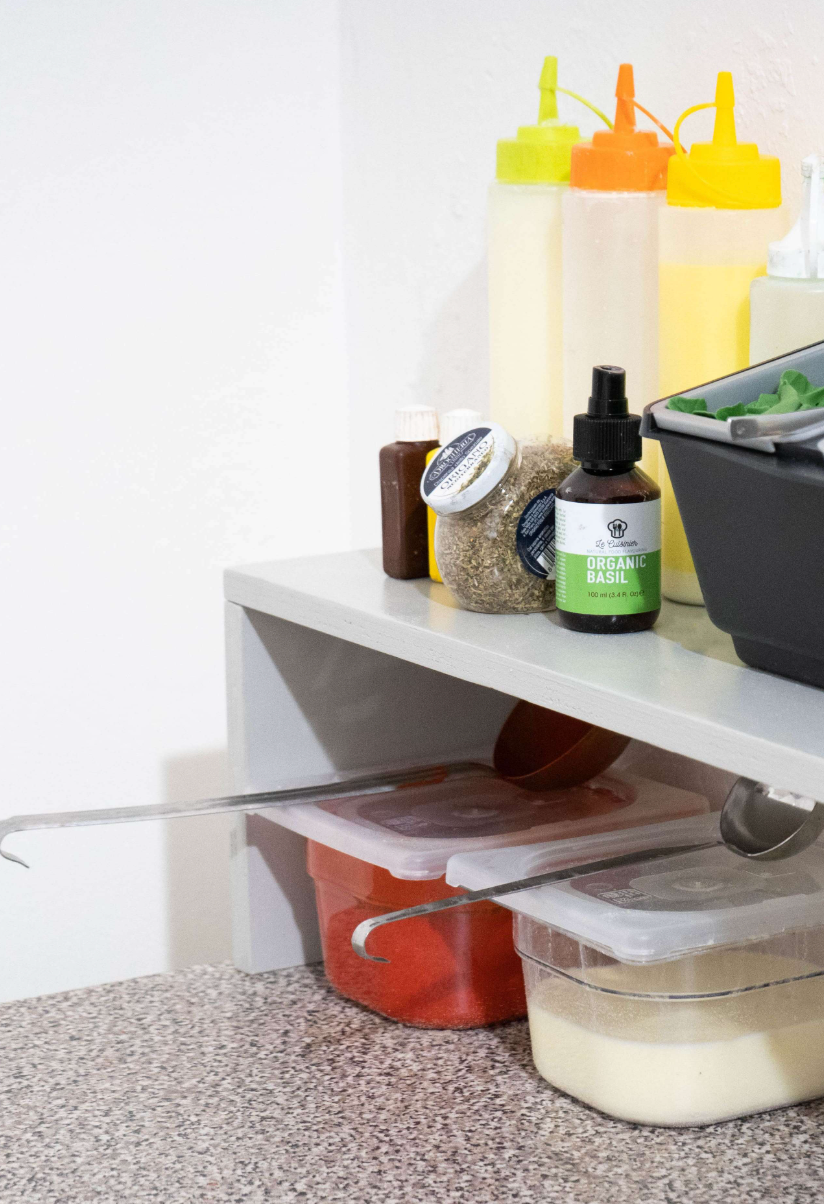
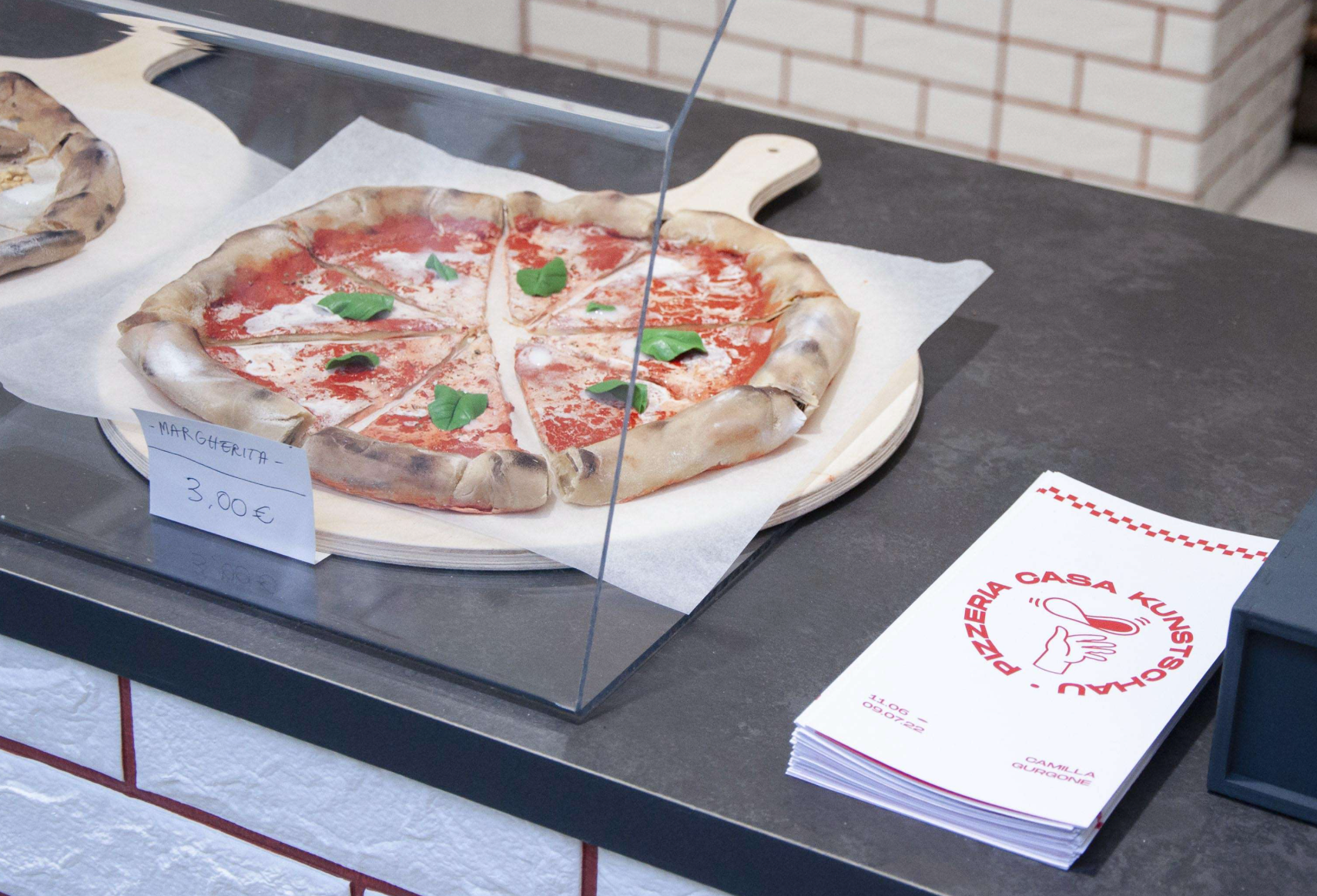
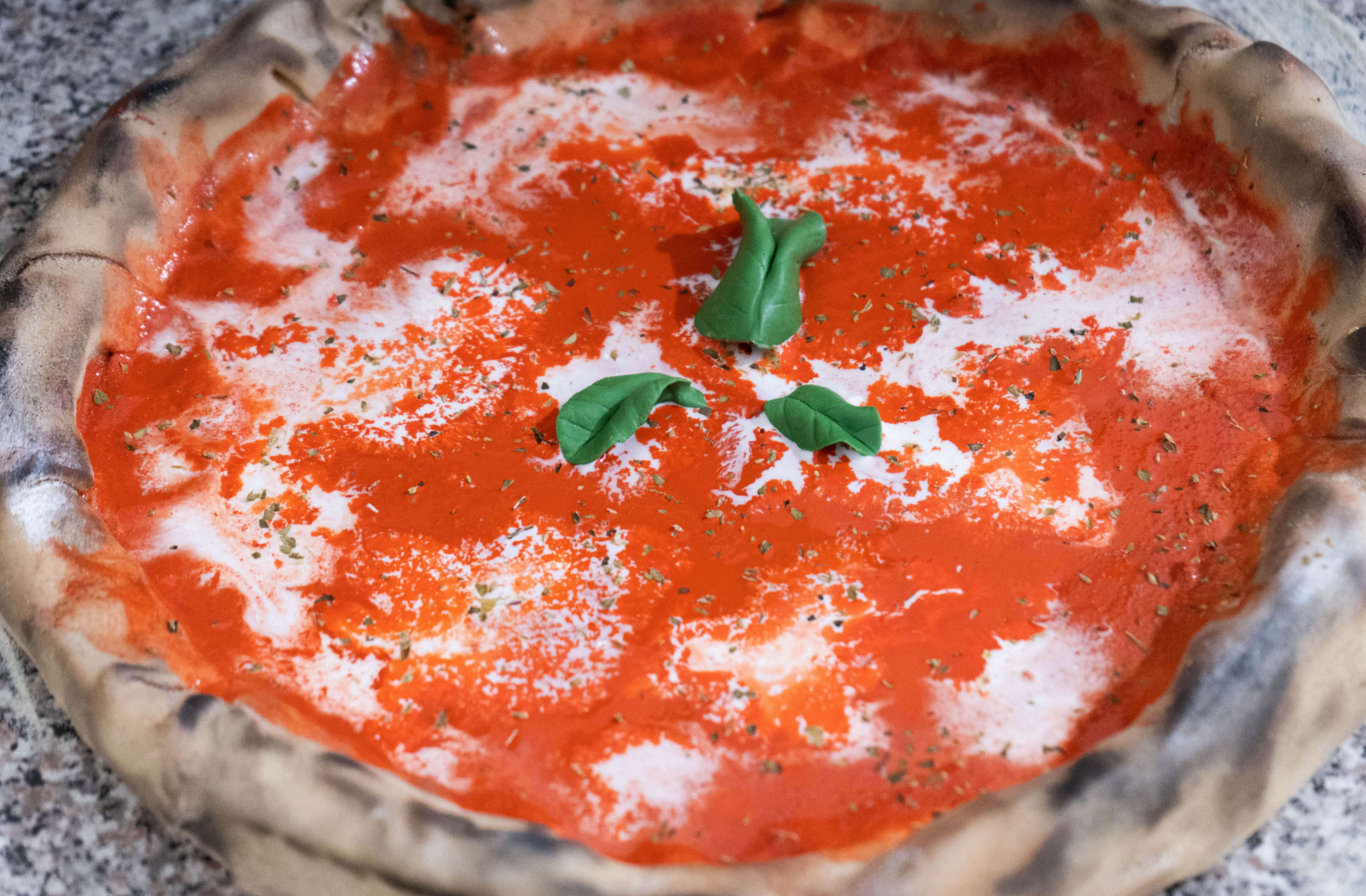
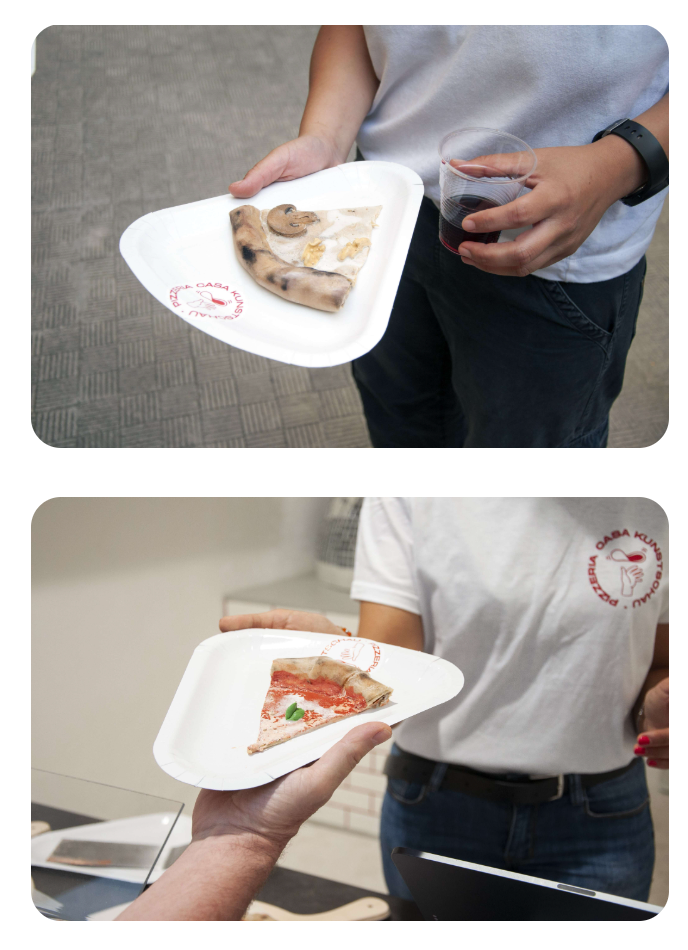
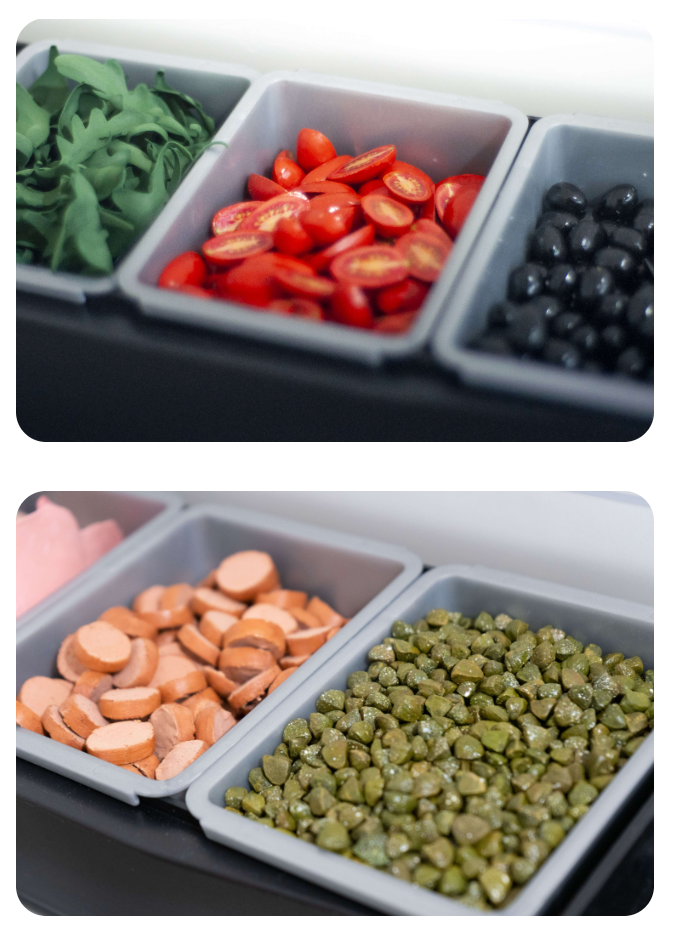
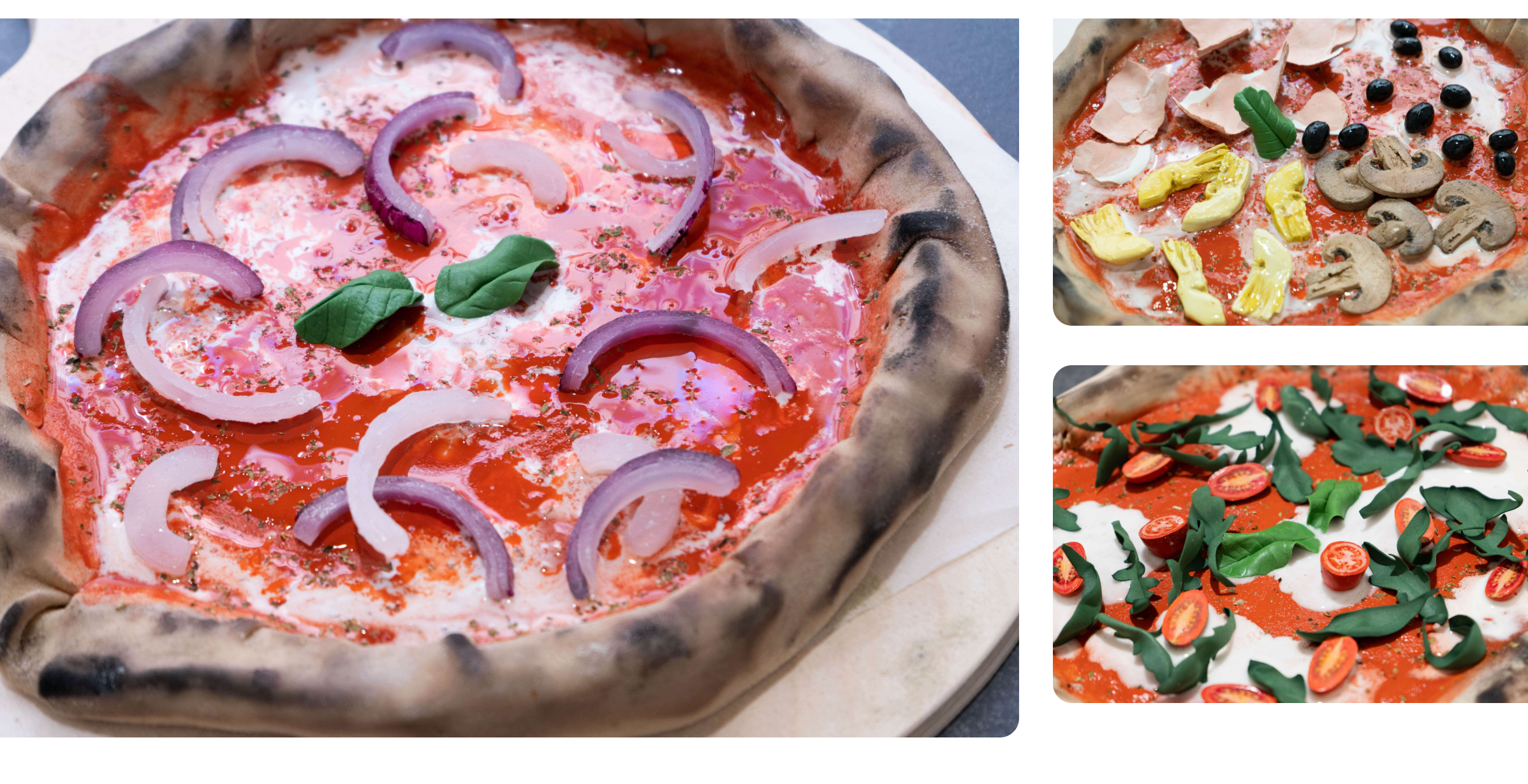
Pizzeria Casa Kunstschau transforms the exhibition space into a seemingly authentic takeaway pizzeria, recreating the visual and functional conventions of an ordinary commercial environment. From the oven and service counter to the menu and the figure of the pizza chef, every element contributes to an environmental trompe-l'œil, in which sculptural objects and everyday rituals become almost indistinguishable from their real counterparts. Throughout the exhibition, I assumed the role of a pizza chef, inviting visitors to order personalized pizzas from a menu, choosing their preferred ingredients as they would in an actual pizzeria. Orders could be collected directly from the exhibition space or delivered to their homes, extending the interaction beyond the gallery and into the routines of everyday life.
The pizzas were entirely artificial, meticulously constructed using sculptural materials to reproduce the appearance of dough, toppings, and other familiar ingredients. The accuracy of their presentation encouraged participants to engage with the service as a genuine commercial activity, before confronting the discrepancy between the expected function of the objects and their actual material nature.